
Regional Intelligence

Malaysia's Electronics Manufacturing Landscape

Opportunities and Risks in a Growing Hub

An in-depth look at Malaysia's rise as a global electronics manufacturing center — key industries, investment zones, workforce dynamics, and supply chain risks.

Malaysia's Electronics Manufacturing Landscape — Z2 Guide
$82B Annual electronics manufacturing revenue
13% Global IC packaging market share
$13B Penang FDI in 2023 alone
500+ Industrial parks nationwide
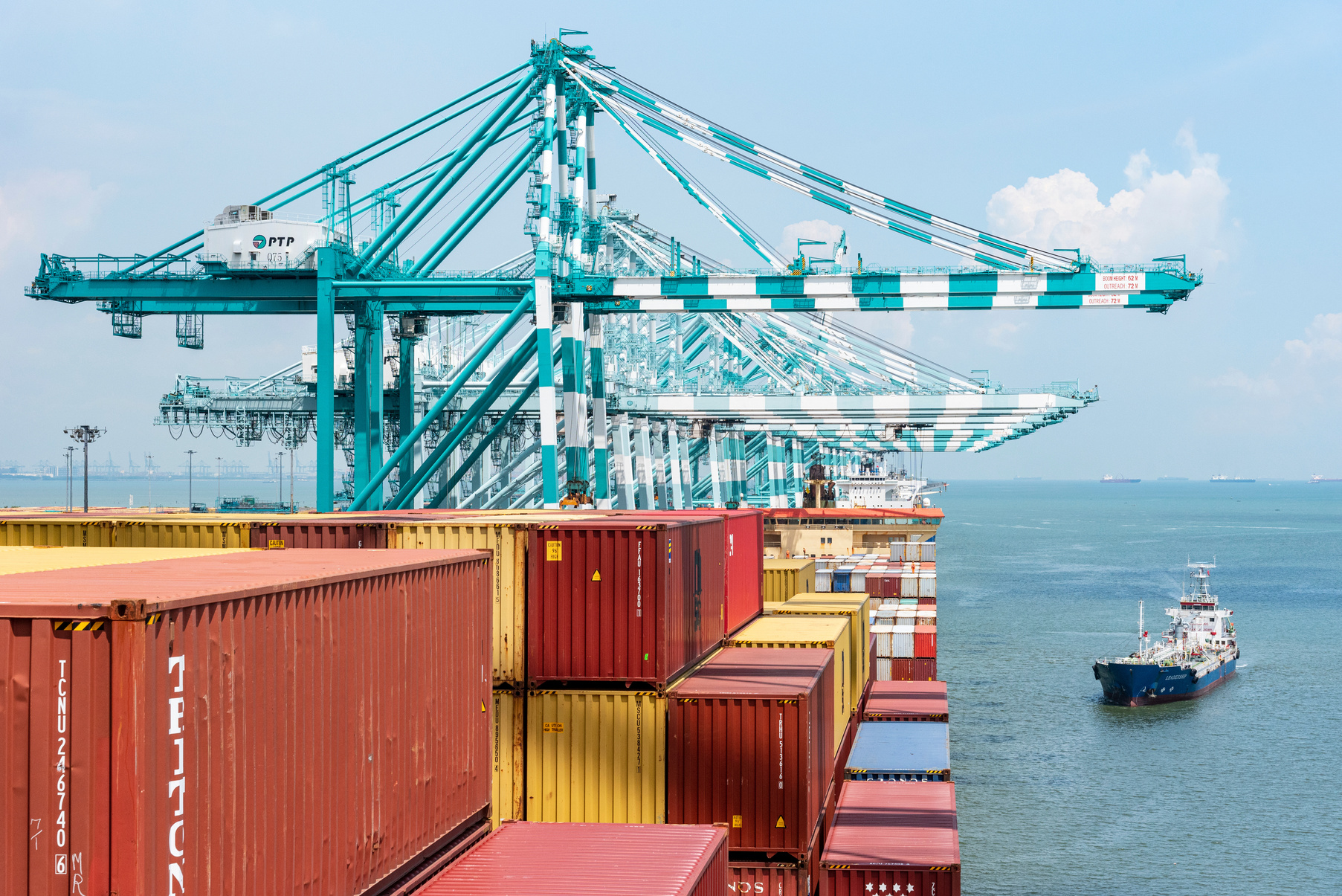
14M TEUs Port Klang annual throughput
$100B Semiconductor investment target
Introduction

Introduction to Malaysia

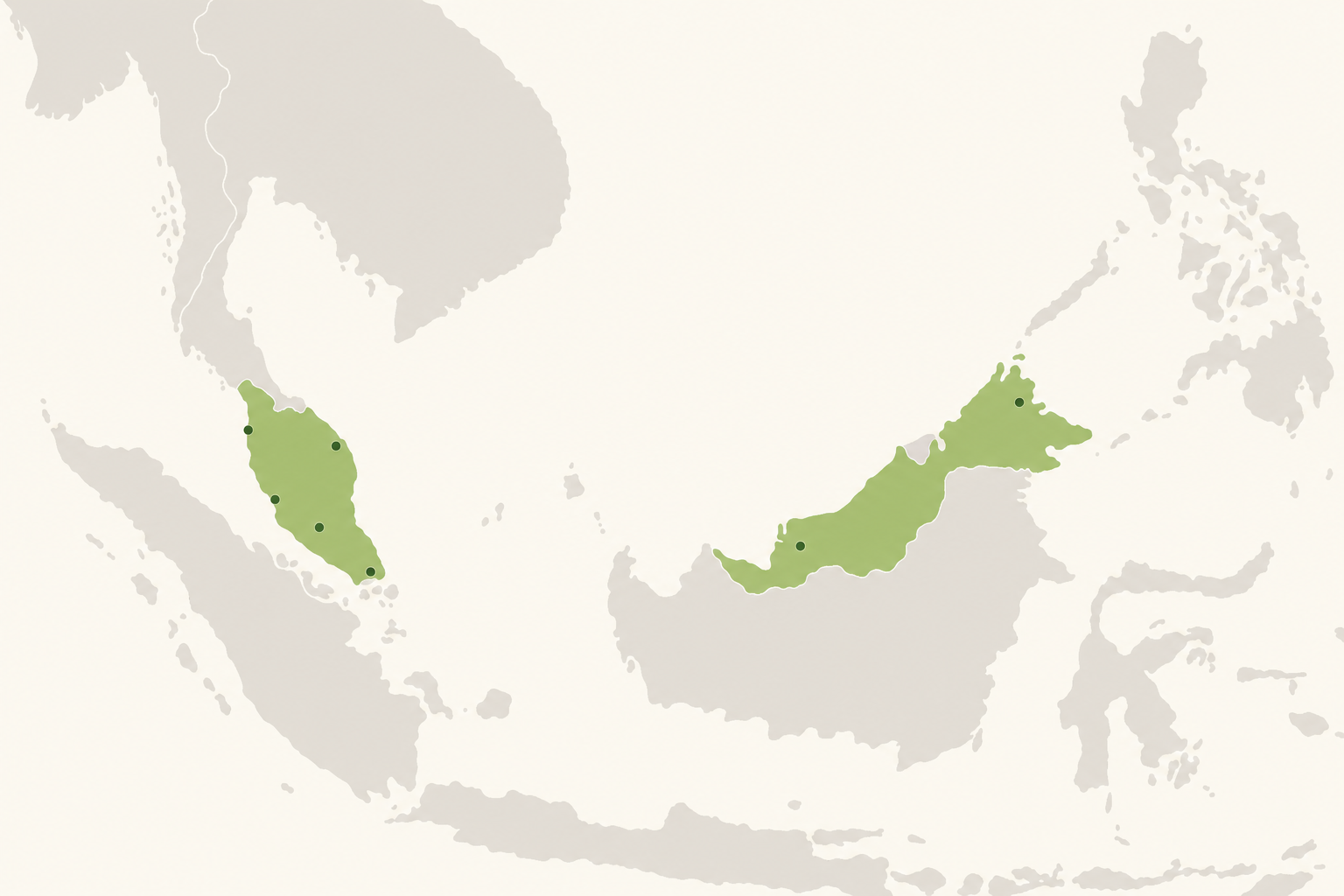
A Southeast Asian nation comprised of two separate regions divided by the South China Sea, Malaysia has undergone a dramatic economic transformation over the past half-century. An agricultural economy that primarily exported raw materials like rubber and tin as recently as the 1970s, Malaysia experienced an accelerated period of industrialization during the 1980s and 1990s, as it diversified its trade profile and developed an increasingly robust manufacturing base. The World Bank characterized this as "remarkable growth that elevated the nation from low- to upper-middle-income status within a single generation."

Today, Malaysia's GDP is driven by a blend of substantial exports — including palm oil, natural gas, and hardwood — a flourishing tourism business, and the country's emerging role as a major player in the global electronics industry. The country's largest cities, including Kuala Lumpur, George Town, and Johor Bahru, support large-scale production of electronic devices and components, a strong automotive sector, and an outsized role in the worldwide semiconductor manufacturing ecosystem.
Malaysia electronics manufacturing introduction
Overview of Malaysia — geography and economy
Country Profile

Overview of Malaysia

A constitutional monarchy governed through a parliamentary system, Malaysia consists of 13 states and three federal territories. With a population of just over 34 million, Malaysia is the 43rd most populous nation in the world and the fifth-most in ASEAN, behind Indonesia, Vietnam, Thailand, and the Philippines.

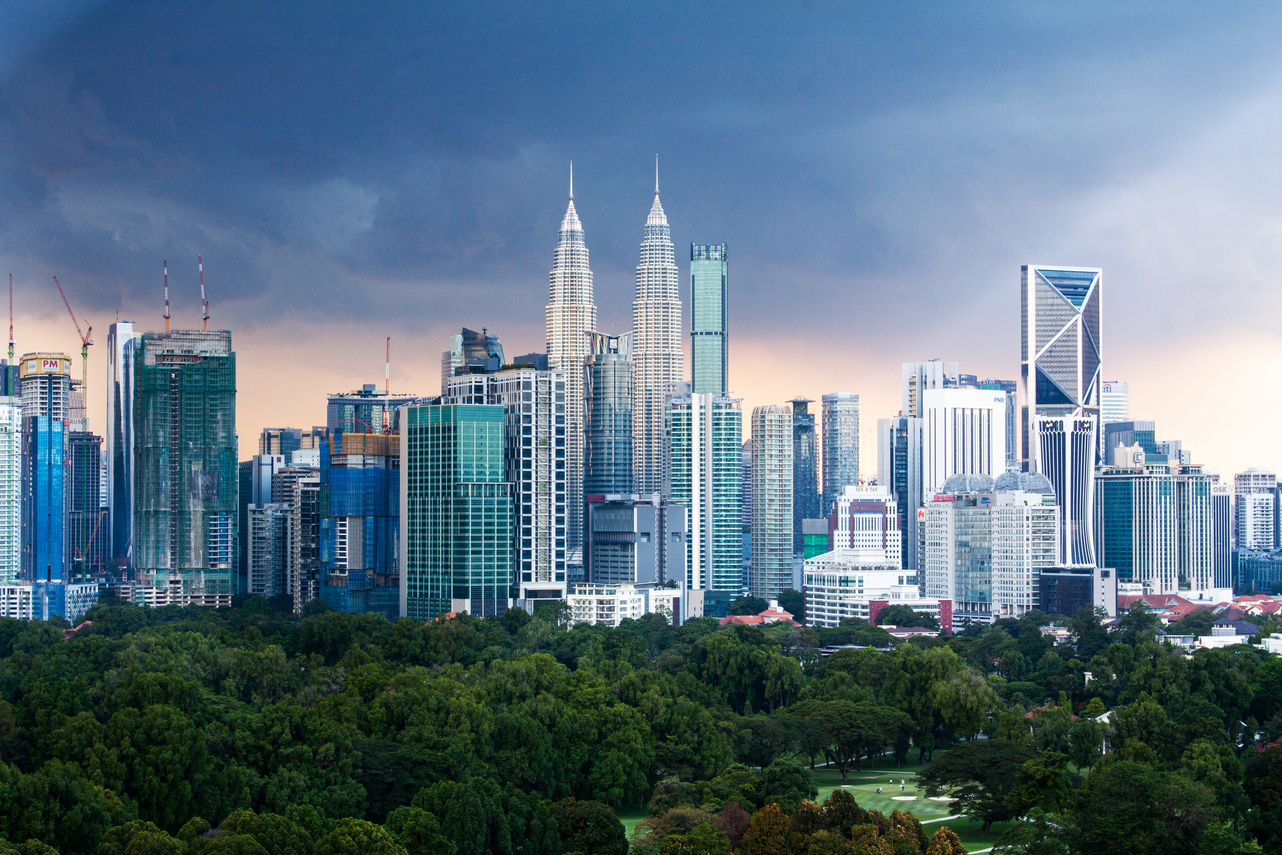
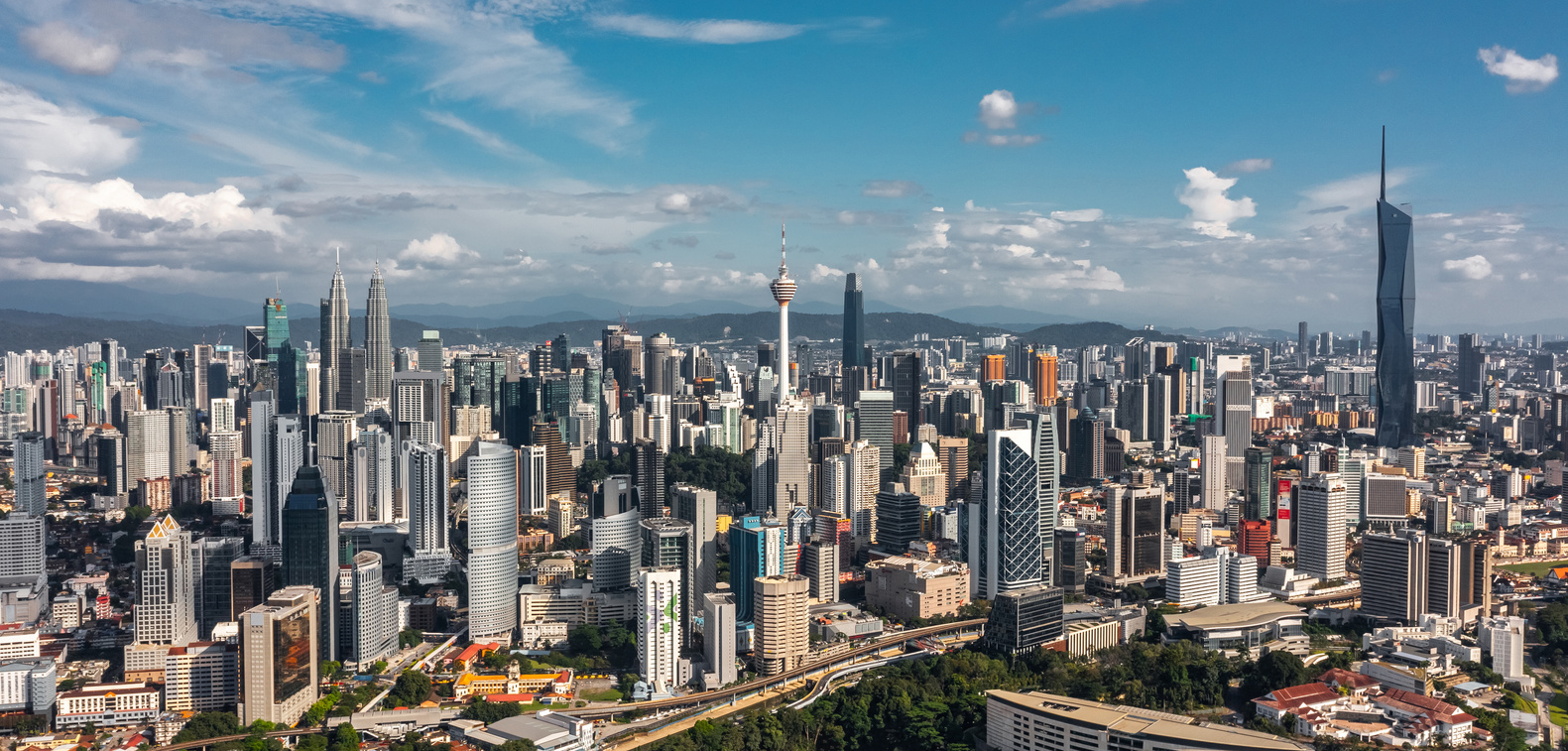
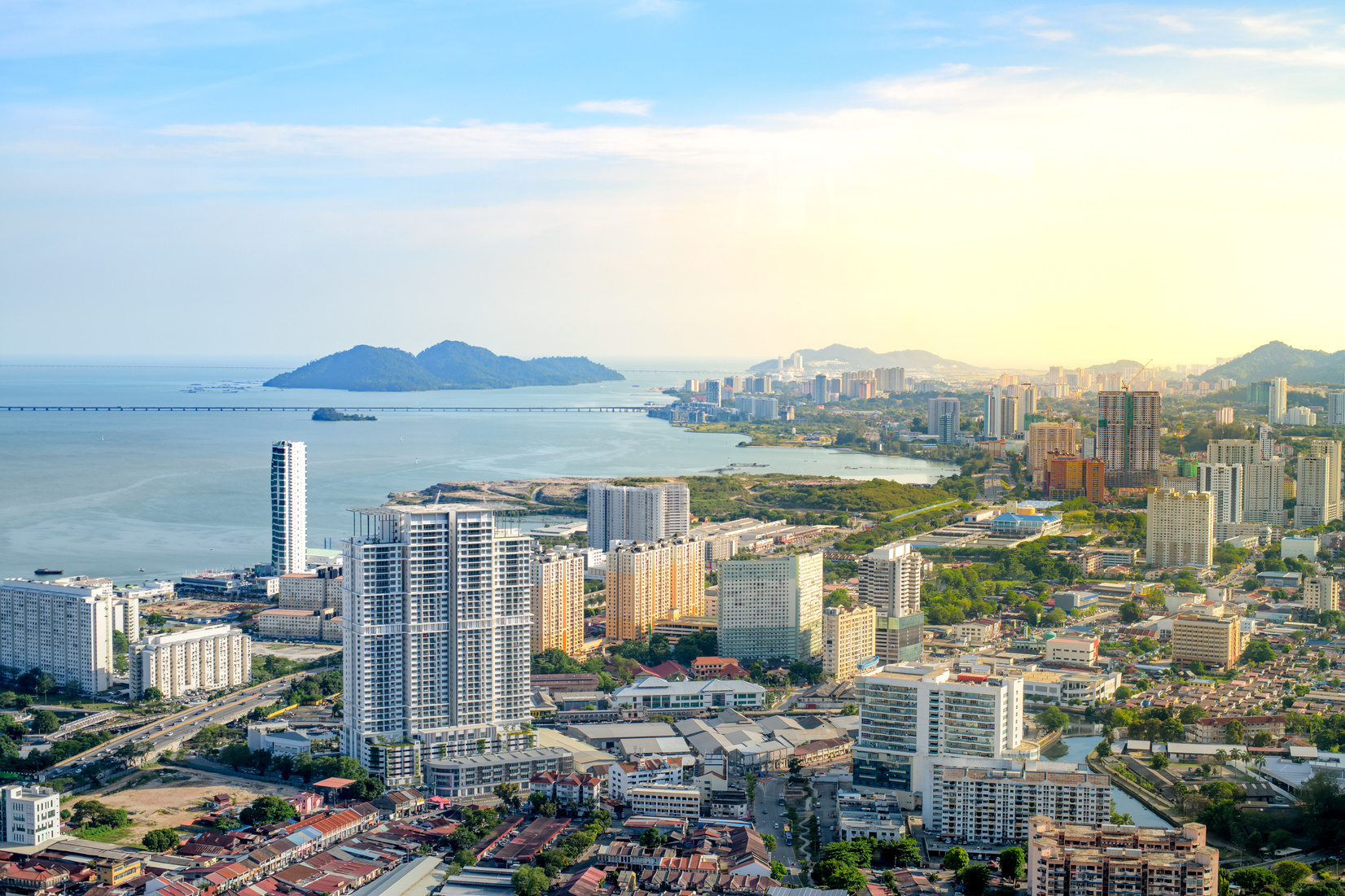
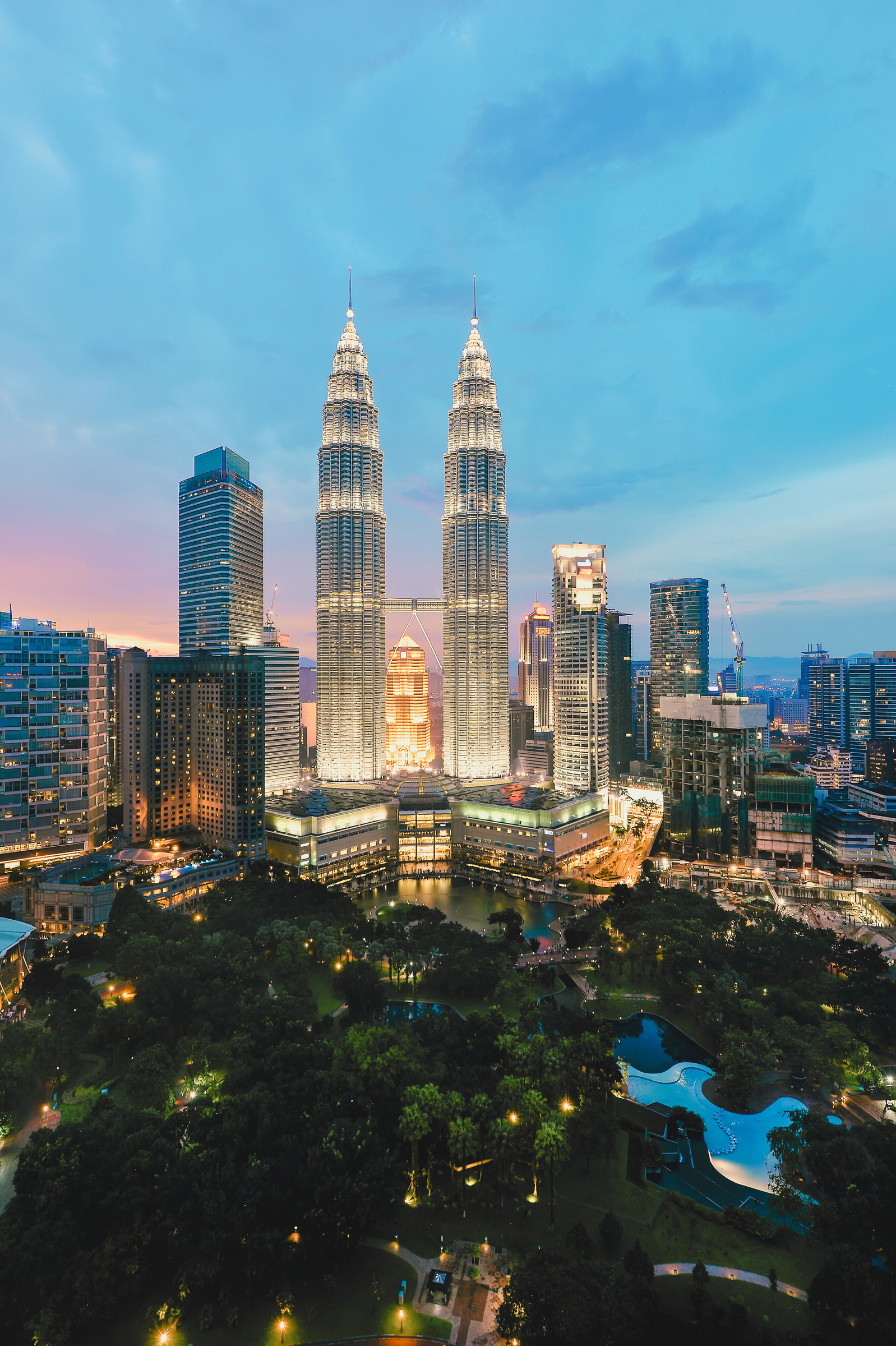
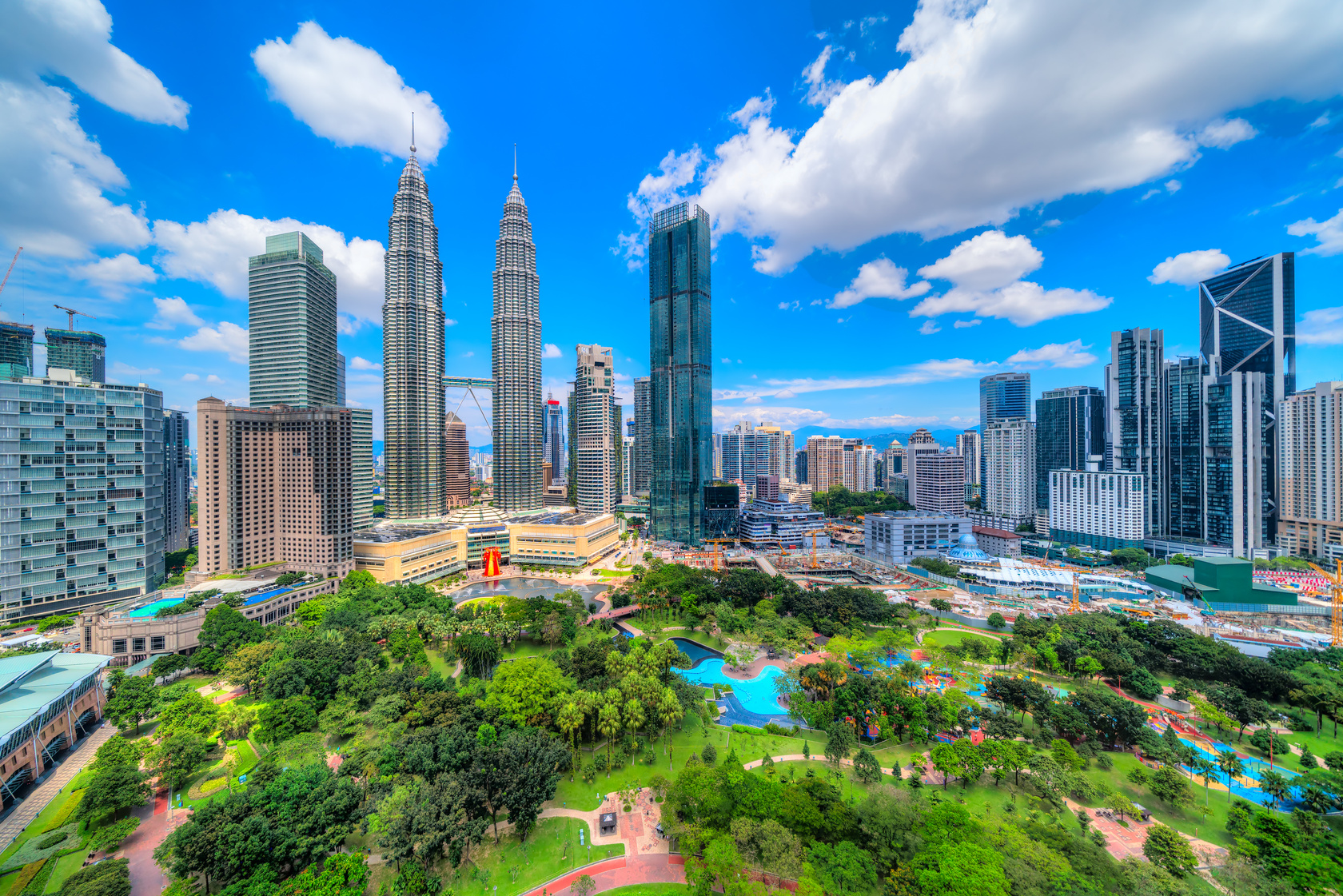
Malaysia's capital, Kuala Lumpur, is not only the cultural and financial linchpin of the nation but also the nucleus of one of the fastest-growing metropolitan areas in Southeast Asia. In 2009, Greater Kuala Lumpur had a population of just under six million. Today, that figure has swelled to around 8.8 million — a growth of nearly 50% in just 15 years — with the regional population projected to approach 10 million by 2030.

Kuala Lumpur's economic output was estimated at over $60 billion in 2023, responsible for roughly 15% of Malaysia's total GDP. In 2023, Malaysia's national GDP was just shy of $400 billion. Like several other ASEAN nations, Malaysia is projected to experience steady economic expansion over the next decade. Global technology firms Google and Microsoft each committed billions of dollars in 2024 to begin construction on data centers and cloud infrastructure facilities within the country's borders.

8.8M Greater KL Population
$60B+ Kuala Lumpur GDP (2023)
Economic Data

National GDP 2020–2024

Malaysia's GDP has grown substantially over the five-year period from 2020 to 2024 — from $337.46B to an estimated $445.5B. This represents a doubling of economic output compared to the country's 2009 GDP of just over $200 billion.

Population Centers

Opportunities in Malaysia: Key Population Centers

Malaysia's key locales include bustling cities like Kuala Lumpur and George Town, as well as strategically significant towns that serve vital roles in the nation's modern industries.

Kuala Lumpur

The nation's capital and most populous city, with over two million residents. Annual economic output around $60 billion, driven by electronics manufacturing, tourism, and Bursa Malaysia stock exchange. Hosts facilities from Intel, Samsung, Huawei, and Texas Instruments.

George Town

Located on Penang Island, George Town is the capital of Penang state and the nucleus of Malaysia's semiconductor manufacturing boom. The state attracted $13 billion in FDI in 2023 alone — a record-shattering figure that exceeded the total from the previous seven years combined. Over 350 multinational corporations operate here, including Intel, AMD, Renesas, and Micron Technology.

Puchong

Located just south of Kuala Lumpur, Puchong launched the Malaysia Semiconductor IC Design Park in August 2024 — the nation's first chip design park. The 60,000 sq ft facility has already reached full capacity, with tenants including MaiStorage, Skyechip, and Weeroc.

Bayan Lepas

Positioned on the southeastern tip of Penang Island, Bayan Lepas parlayed its free trade zone to attract Motorola, Dell, and Hewlett-Packard. Intel, Micron, and Infineon have all established facilities in the area in recent years.

Key population centers map of Malaysia
Industrial Parks

"Silicon Valley of the East": Malaysia's Industrial Parks

Malaysia industrial parks overview

Malaysia's accelerated economic growth is due in no small part to the many industrial parks across the country. There are at least 500 industrial parks in Malaysia catering to a diverse array of sectors, including electronics, automotive, chemicals, solar technologies, and semiconductor manufacturing.

These spaces function as critical corporate infrastructure for the nation's major economic zones — Selangor, Penang, and Johor — and draw in substantial FDI through tax breaks and other financial incentives. The Bayan Lepas Free Industrial Zone in Penang — sometimes referred to as the "Silicon Valley of the East" — has transformed the small Malaysian island into a critical cog in the world's semiconductor manufacturing ecosystem.
Industrial Park Location Key Sectors
Bayan Lepas Free Industrial Zone Penang Electronics / Electrical / Medical Devices
Shah Alam Industrial Park Selangor Automotive / Electronics / Chemical
Pasir Gudang Industrial Estate Johor Petrochemical / Marine Engineering
Kulim Hi-Tech Park Kedah Electronics / Solar / Biotechnology
Gebeng Industrial Estate Pahang Petrochemicals / Heavy Manufacturing
Ayer Keroh Industrial Park Malacca Electronics / Automotive / Advanced Manufacturing
Sama Jaya Free Industrial Zone Sarawak Electronics / Electrical / Solar
Malaysia transportation hubs and ports
Logistics & Transport

Navigating Malaysia's Key Transportation Hubs

Malaysia's 13 states and three federal territories rely on around 40 airports to keep residents connected to global markets. Because the country includes nearly 3,000 miles of coastline bordering the South China Sea and the Malacca and Johor Straits, Malaysia's network of ports may be even more important than its airports.

  • Kuala Lumpur International Airport (KLIA): 980,000+ tons cargo throughput and 47 million passengers in 2023.
  • Penang International Airport: ~135,000 tons of cargo annually, with significant growth expected as Bayan Lepas FIZ expands.
  • Port Klang: Malaysia's largest seaport and one of the busiest in the world, with 14 million TEUs annually — ranked 12th globally.
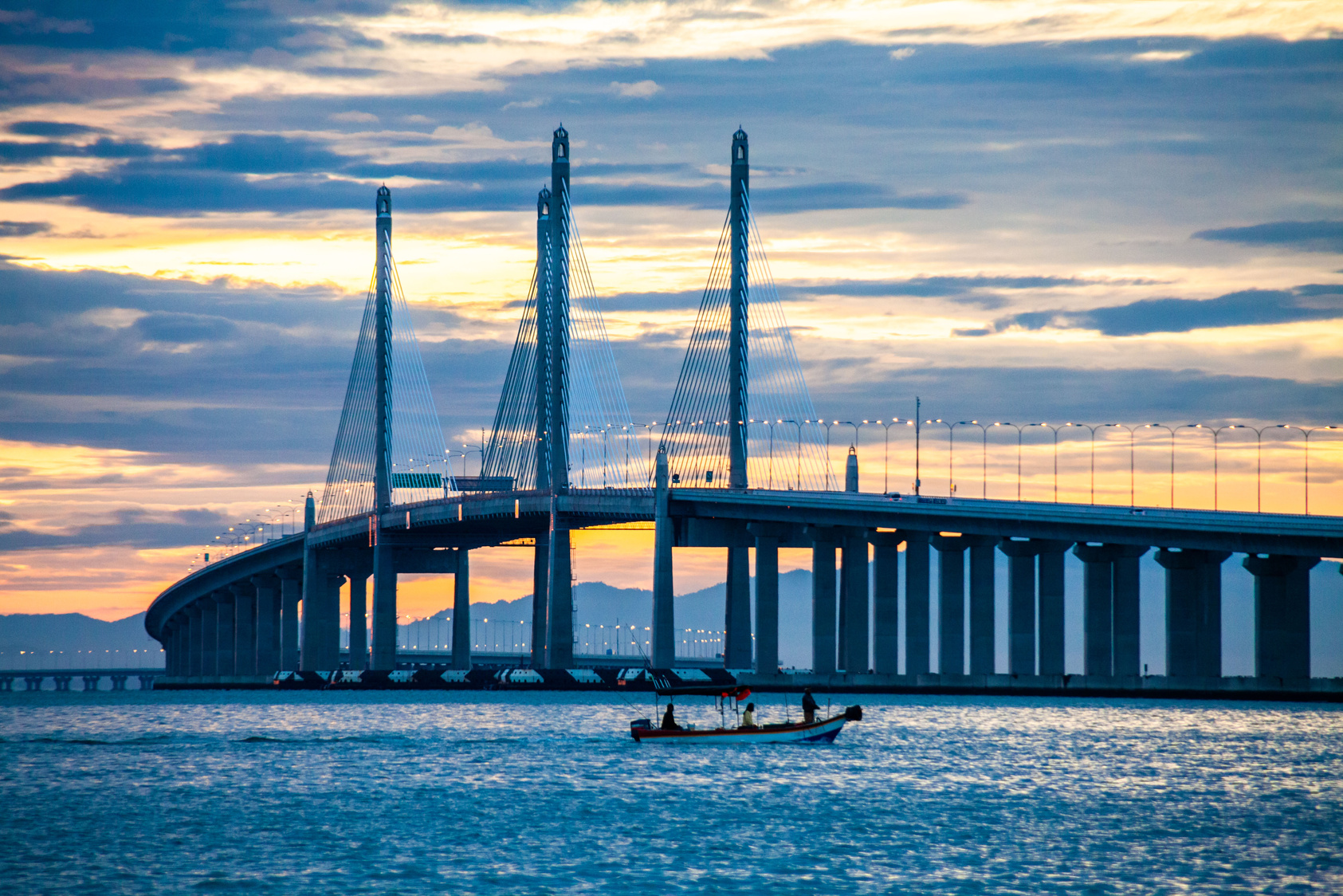
  • Port of Tanjung Pelepas (PTP): 14 shipping berths and 12.5 million TEU annual capacity; primary trade corridor between Malaysia and Singapore.
Industry Landscape

Malaysia Industry Overview

Once an economy primarily driven by raw materials like rubber, tin, petroleum, and hardwood, Malaysia now supports a highly diversified industrial landscape with a growing footprint in global electronics. The country's electronics manufacturing sector captures annual revenue of $82 billion, making it Malaysia's most lucrative industry and the foremost fulcrum for its national GDP.

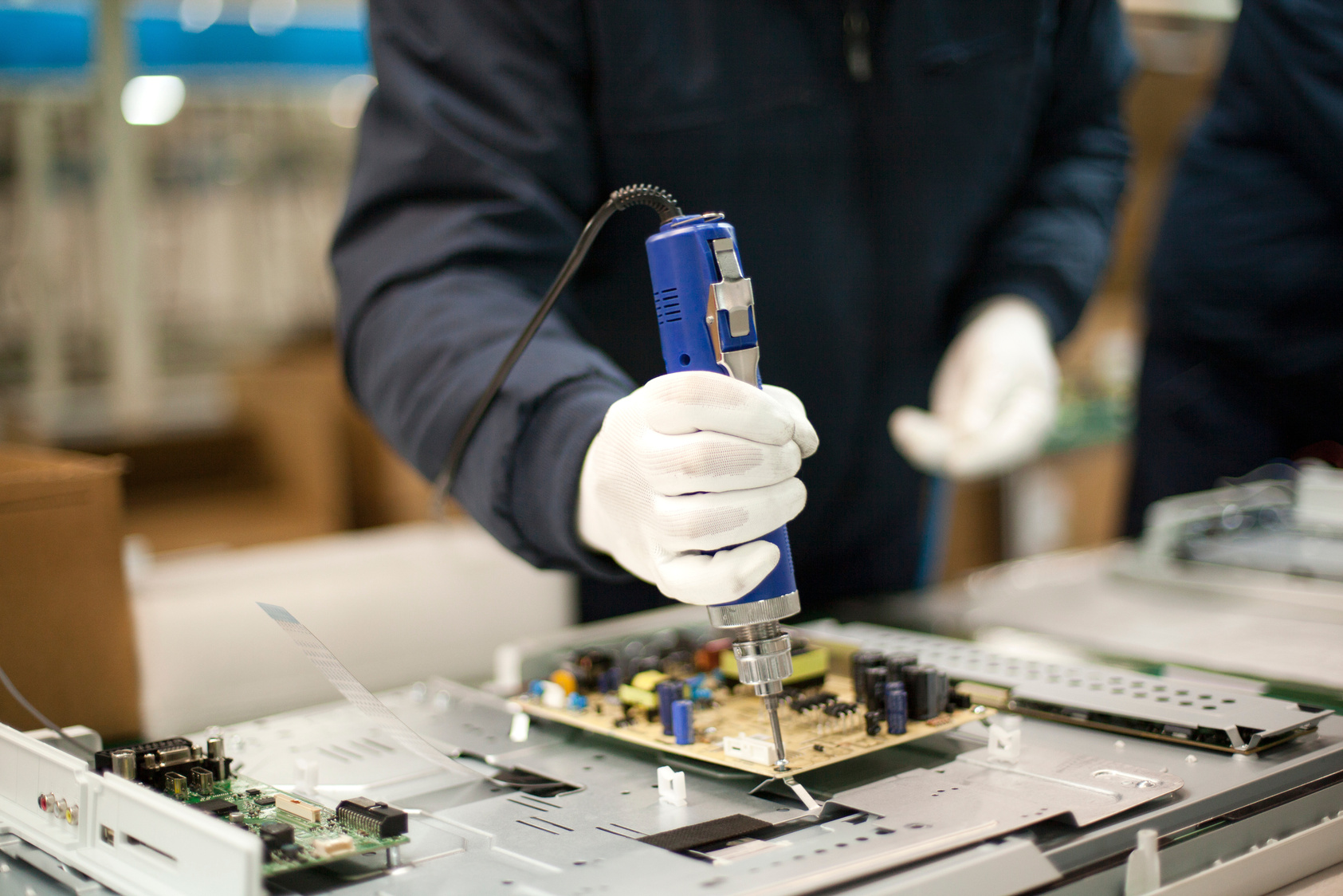
This manufacturing base includes a vigorous presence in electronic manufacturing services (EMS), with Peninsular Malaysia home to factories operated by large-scale EMS outfits like Jabil, Flex Ltd., and Keysight Technologies.

Major Product Categories

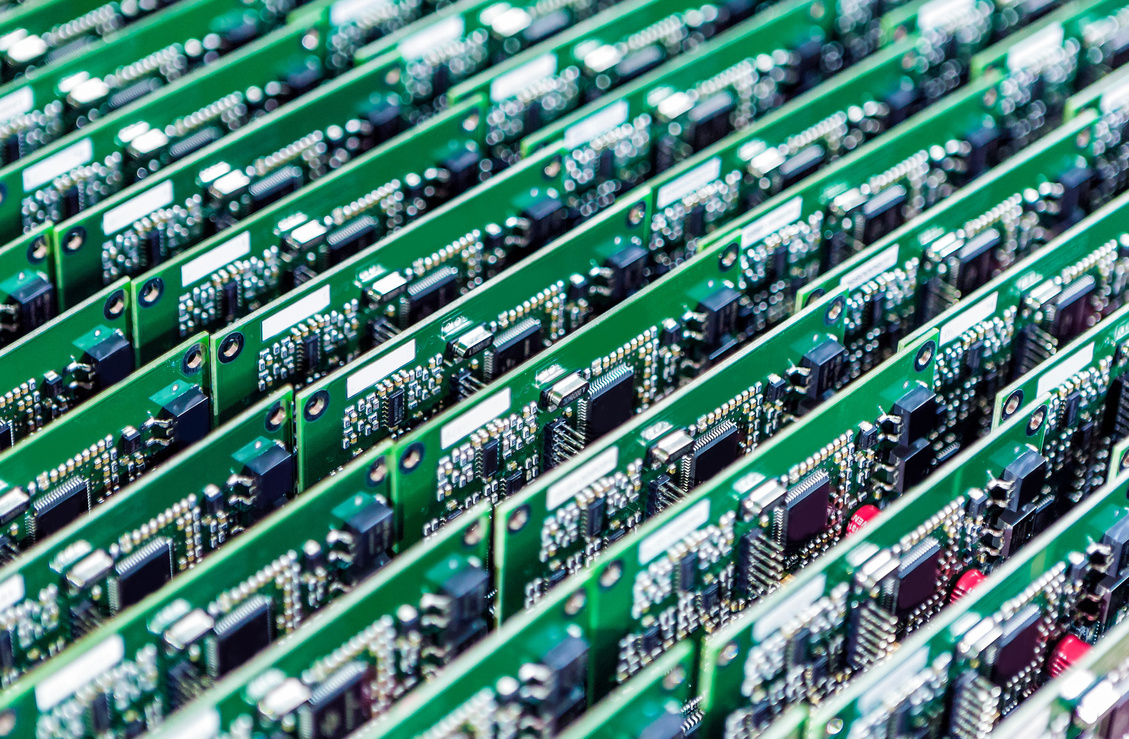
  • Electronic Manufacturing Services (PCBA, System Assembly, Cable Assembly, Injection Molding)
  • Automotive Subsystems and OEM (Electrical Parts, EV chargers, Powertrain)
  • Interconnect / Passive / Electromechanical (Connectors, Resistors, Cables)
  • Advanced Materials (Solder Products, Bonding Wires)
  • Chemicals (Chemical Compounds, Encapsulated Resins, Industrial Gases)
  • Communication and Networking (RF, Microwave, and Wireless Modules)
  • Semiconductor Manufacturing and Equipment (Embedded Processors, IC Memory)
  • Consumer Devices (Home Appliances, Printers)
  • Control and Safety (Air Systems, Circuit Breakers)
Malaysia industry landscape overview
Electronics

Electronics Manufacturing in Malaysia

Electronics manufacturing facilities in Malaysia

Beginning in earnest in the 1970s, Malaysia's electronics manufacturing landscape has gradually matured and diversified. Several states in Western Malaysia are now focal points for the manufacturing of everything from consumer devices and telecommunications equipment to semiconductor packaging and embedded processors.

Malaysia's electronics manufacturing enjoys several distinctive advantages: a robust workforce of graduate-level engineers, an impressive track record for foreign direct investment, and highly advanced infrastructure in its most urbanized regions.

To compile its research, Z2 examined approximately 1,000 factories, assembly sites, and headquarters in the country, spanning dozens of companies, industries, and locations.

Notable EMS Companies in Malaysia

Company Revenue Factories Locations
Jabil Inc. $35B 3 Penang / Kedah
Flex Ltd. $28.5B 17 Selangor / Johor / Penang
Celestica Inc. $8B 4 Johor / Kedah
Keysight Technologies $5.5B 1 Penang
National Instruments Corporation $1.7B 1 Penang
Semiconductor manufacturing in Malaysia
Semiconductors

Semiconductor Manufacturing in Malaysia

While Malaysia may not have the lofty reputation of Asian neighbors like Taiwan, South Korea, and Japan, it has made quiet, steady progress in asserting itself as a key node in the global semiconductor ecosystem. Instead of competing in front-end manufacturing, Malaysia has focused on backend IC assembly and packaging. Today, it holds 13% of the global IC packaging market and ranks among the world's top chip exporters.

13%

Global IC Packaging Market Share

Major IC Packaging Product Lines:

  • MOSFETs: Infineon, onsemi, Amkor, Renesas Electronics
  • DC/DC Switching Regulators: Malaysian Pacific Industries, Unisem Berhad, STMicroelectronics
  • Microcontrollers: NXP Semiconductors, Renesas, Amkor
  • System on a Chip: STMicroelectronics, ACE Technology, Intel
  • Clock Buffers: ACE Technology, onsemi, Amkor
Automotive

Malaysia's Automotive Industry

With annual revenue of nearly $8.5 billion, Malaysia's automotive sector is responsible for a sizable and growing proportion of the nation's total GDP. The federal government launched the National Automotive Policy (NAP2020), seeking to stimulate growth in the sector with the goal of lifting it to 10% of Malaysia's total GDP by 2030.

Malaysia produces over 740,000 vehicles a year, behind only Indonesia and Thailand among all ASEAN nations. The country is home to manufacturing facilities run by Toyota, Honda, BMW, Nissan, and Volvo. Financial incentives include Pioneer Status and the Investment Tax Allowance.

Malaysia automotive manufacturing sector
Manufacturer Revenue Facilities Locations
Toyota Corporation $310B 2 Selangor
Honda $145B 3 Melaka / Johor / Kedah
ZF Friedrichshafen $48B 6 Johor / Selangor / Penang / Pahang / Kedah
Perodua $2.3B 2 Selangor
Proton Holdings Berhad $2B 2 Perak / Selangor
Malaysia regulatory landscape
Regulation

Malaysia's Regulatory Landscape

The regulatory landscape in Malaysia is governed by the Ministry of Natural Resources and Environmental Sustainability (NRES). The federal department oversees rare earth minerals, forestry, climate change, and the responsible use of natural resources. The primary mechanism for regulating businesses and protecting the environment is the Environmental Quality Act (EQA), a law passed in 1974.

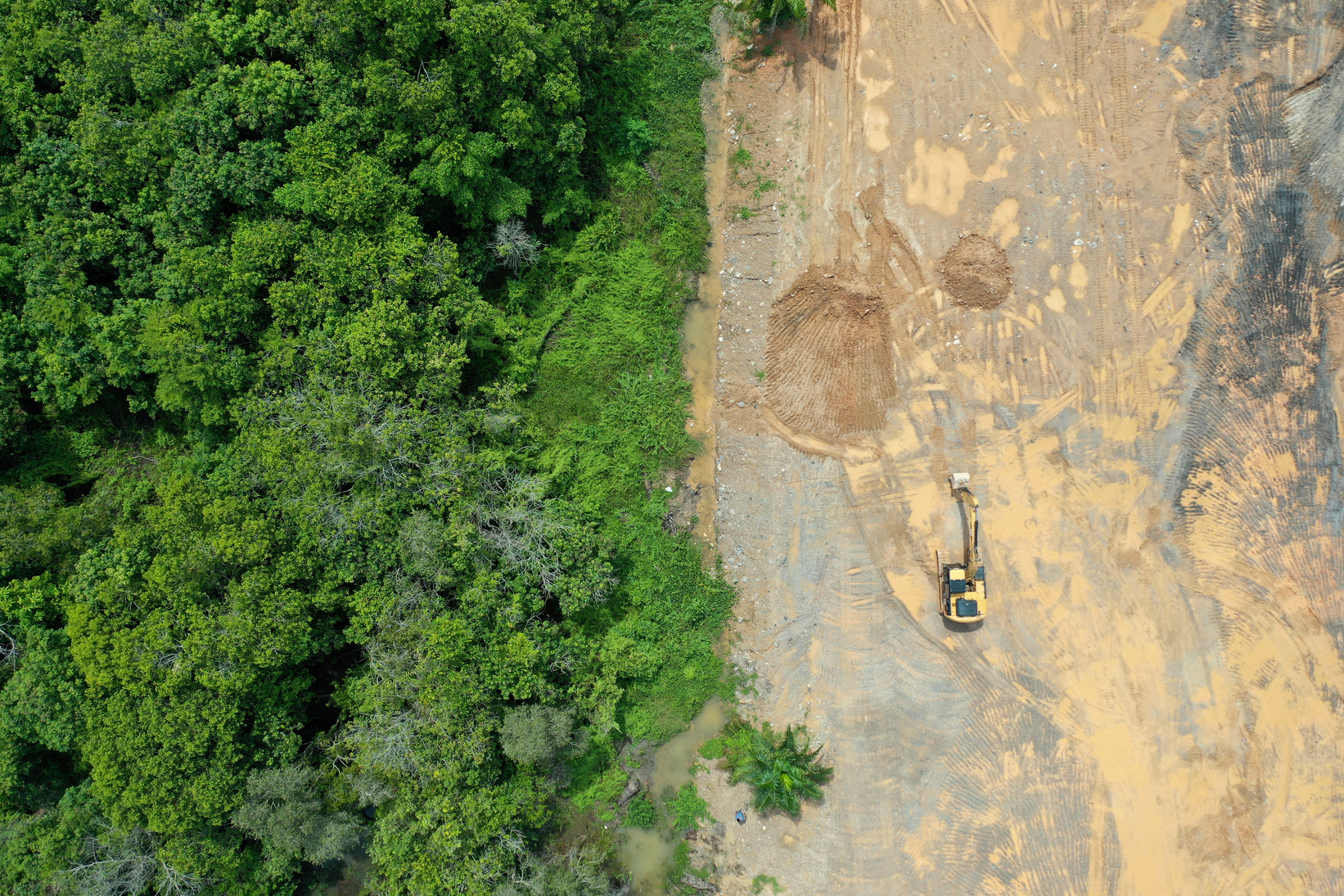
In recent years, illegal waste disposal by large manufacturers has contaminated local water supplies, especially in the heavily populated Klang Valley, triggering public indignation and demands for greater accountability. In March 2024, the Malaysian Parliament passed the Environmental Quality (Amendment) Act 2023, which imposed stricter penalties for environmental offenders, enhanced restrictions around open burning, and empowered stronger enforcement.

Critical Minerals

Critical Minerals in Malaysia

Malaysia is a global powerhouse in silicon production. Although the nation has a population of just 34 million, it produces the ninth-most silicon of any country in the world. Silicon production jumped by eight percent between 2021 and 2022, and Malaysia now produces over 90,000 metric tons of the critical mineral every year.

One of the nation's largest silicon producers, PMB Technology, is currently expanding its production capacity through the completion of a Phase 3 plant in Samalaju Industrial Park in Bintulu. The company aims to expand production by 50% with the new facilities.

Other raw materials integral to semiconductor manufacturing that are mined or processed in Malaysia include aluminum, gold, silver, tin, iron, manganese, and magnesium.

Silicon
Aluminum
Gold
Silver
Tin
Iron
Manganese
Magnesium
Critical minerals production in Malaysia
Risk Assessment

Supply Chain Risks in Malaysia

Supply chain risk assessment for Malaysia

A rapidly developing economy, Malaysia has cultivated a highly skilled workforce and embraced advancements in technology. However, several hazards warrant examination across all five of Malaysia's regions.

Low Risk

Lower Risk Categories

  • Earthquake
  • Power Disruption
  • Snow & Winter Storms
  • Tornado
  • Typhoon
  • Wildfires
Medium Risk

Geopolitics

All five regions show medium geopolitical risk — elevated but not critical, subject to U.S.-China trade dynamics and regional tensions.

High Risk

Critical Risk Areas

  • Flood Risk: All five main regions at heightened risk. Major disruptions include 2021 lockdowns and deadly floods across East, East Coast, and Northern Malaysia; 2023 floods displaced thousands in Southern Malaysia.
  • Labor Risk: Forced labor, child labor, and restrictions on collective bargaining have drawn scrutiny from U.S. Dept. of Labor and CBP, as well as international human rights organizations. Migrant workers account for as much as 20% of the workforce.
Malaysia's future in chipmaking and semiconductors
Conclusion

Malaysia: A Rising Power in Chipmaking

With a GDP of just over $200 billion in 2009, Malaysia has seen its economic output increase by 100% in less than 15 years. This trajectory has been facilitated by Malaysia's embrace of electronics manufacturing, including IP&E components, EMS, and an increasingly lucrative foray into back-end semiconductor manufacturing.

Prime Minister Anwar Ibrahim announced a goal of reaching over $100 billion in investments for Malaysia's domestic semiconductor industry, with an initial $5 billion in federal funds committed. His administration is also seeking to build the largest IC design park in all of Southeast Asia.

The country may also benefit from China + 1 sourcing strategies and the ongoing trade tensions between the U.S. and China. Malaysia seems poised to play an even larger, more prominent role in global supply chains over the remainder of the decade.

$100B Semiconductor investment target
100% GDP growth 2009–2024

Supply Chain Watch

Track over 1,000 facilities across Malaysia with real-time risk signals, component-level sourcing intelligence, and compliance monitoring in one platform.

Get a Demo
Technical illustration of electronic components under supply-chain risk inspection

Monitor Malaysia — and Every Supply Chain Risk