



Introduction
The Visibility Problem
We often recognize the many threats facing our supply chains — tariffs, regulations, obsolescence, supplier risks. But the real issue isn't just knowing that these risks exist. A potentially even larger problem is the lack of visibility to identify them early and access the information needed to take action before they escalate into bigger problems.
This eBook explores five key threats every supply chain leader should be tracking — and why visibility is essential to managing them effectively.
Challenge 1
Tariffs & Geopolitics
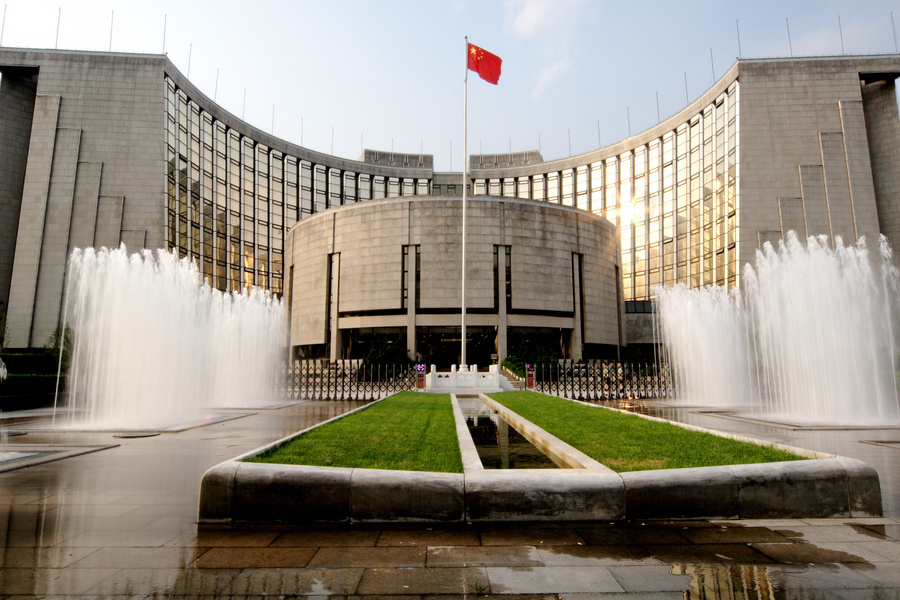
In 2025, U.S. tariff policy is shifting at a breakneck pace, with new changes being announced every 19 days on average. The Trump administration has already reimposed or increased tariffs on key imports from China, Canada, and Mexico. Nearly 200 countries — and more than a dozen major trading partners — are facing tariff hikes unless trade deals are finalized before the August 1 deadline.
This unstable landscape is wreaking havoc on manufacturing costs and margins. Companies aren't just struggling to keep up with how often tariffs are changing — but also how they're being applied. Many of the latest tariffs are country-specific, not sector-based, meaning the cost of a component can change dramatically depending on where it was last processed. That makes country of origin (COO) a central factor in sourcing decisions.
In industries like electronics, automotive, and aerospace — where components are manufactured across multiple countries — COO is typically determined by the last point of "substantial transformation." But even this legal standard is shifting. In recent months, the U.S. and China have taken diverging approaches to interpreting COO, particularly in high-stakes sectors like semiconductors, making tariff forecasting and sourcing strategy more unpredictable than ever.
With tariffs changing every few weeks — and now tied closely to country of origin — many companies are operating without a clear view of their true exposure. Most supply chains lack the visibility needed to trace the manufacturing path of a component, making it difficult to determine which SKUs are affected by new tariffs or shifting COO rules.
Small changes in a sub-tier supplier's manufacturing process, such as shifting final assembly from Vietnam to China, can instantly alter tariff classification and spike landed costs. Geopolitical tensions only add to the risk: a supplier in a country swept up in a trade dispute could face not only new tariffs, but also sanctions, export controls, or reputational fallout.
Leaders should treat tariffs and trade policy shifts as a strategic supply chain risk rather than simply a cost issue, ensuring real-time monitoring of tariff exposure across product lines and geographies, with full traceability of component origins and manufacturing paths. Cross-functional collaboration among procurement, compliance, and finance teams is essential, as is embedding scenario planning focused on trade policy changes, country-of-origin determinations, and emerging geopolitical risks.
Z2 provides visibility into supplier locations, part-level COO data, and tariff exposures across the entire Approved Manufacturer List (AML), enabling organizations to identify cost-saving alternatives and maintain supply chain continuity amid shifting trade policies.

Challenge 2
Critical Minerals & Rare Earth Elements
China's Share of U.S. Critical Mineral Imports (2020–2023)
Gallium. Germanium. Graphite. These aren't fringe materials — they're foundational to electronics manufacturing. But access to them is tightening.
Between 2020 and 2023, China supplied 51% of U.S. imports of germanium, 19% of U.S. imports of gallium, 23% of U.S. imports of antimony, and 43% of U.S. imports of graphite. China is also the world's dominant producer, accounting for 99% of low-purity gallium, 58.8% of antimony, and 78% of natural graphite. These materials are essential for semiconductors, flame retardants in circuit boards, and anode materials in lithium-ion batteries, making them critical to everything from smartphones to EVs.
More critically, over 90% of the world's rare earth elements (REEs) are processed in China, even when mined elsewhere. Neodymium, praseodymium, dysprosium, and terbium are among the most vital, used extensively in high-strength magnets and advanced electronic applications.
Since 2020, China has passed aggressive export controls, expanded licensing requirements, and openly signaled its willingness to use critical minerals and REEs as leverage in the trade war over semiconductors and national security. In 2025, China's export restrictions are already hitting Western supply chains, with several Tier One auto suppliers reporting that new licensing rules on rare earths are disrupting magnet supply for EV motors, jeopardizing production timelines and investment plans.
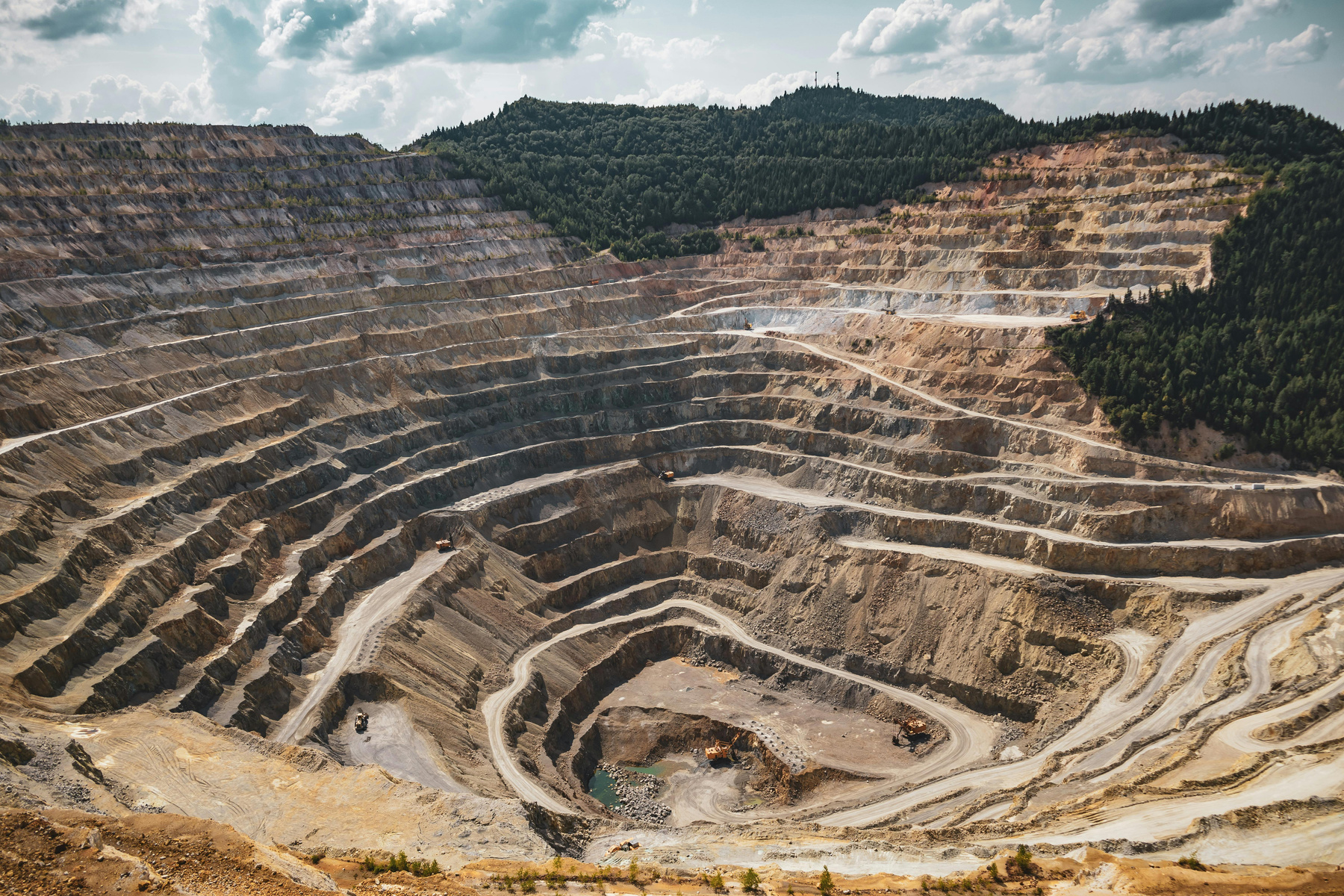
China's Share of Global Critical Mineral Production
Most companies don't know which materials, including rare earth elements and other critical minerals, are embedded in their components — or how far upstream those dependencies go. That lack of transparency makes risk modeling impossible. One export restriction can disrupt hundreds of SKUs at once, and when sourcing teams aren't aware of the mineral content within parts, they can't vet new suppliers, forecast shortages, or even understand if they're violating export laws.
The ripple effect extends beyond supply interruptions: dependencies on REEs and critical minerals can impact tariff classification, sanctions exposure, and design compliance.
Leaders should ensure their organization has a comprehensive map of exposure to rare earth elements and other critical minerals across all active product lines, including where those materials are extracted, processed, and refined. They should direct sourcing and compliance teams to identify high-risk dependencies — especially those tied to single-source suppliers or concentrated regions like China — and promote early collaboration with engineering teams to explore material substitution or component redesign.
Z2 helps manufacturers quickly identify critical minerals in their off-the-shelf components using FMD data, generating detailed exposure reports within minutes.
Challenge 3
Sub-Tier Supplier Blind Spots
Supply Chain Visibility by Supplier Tier (McKinsey 2024)
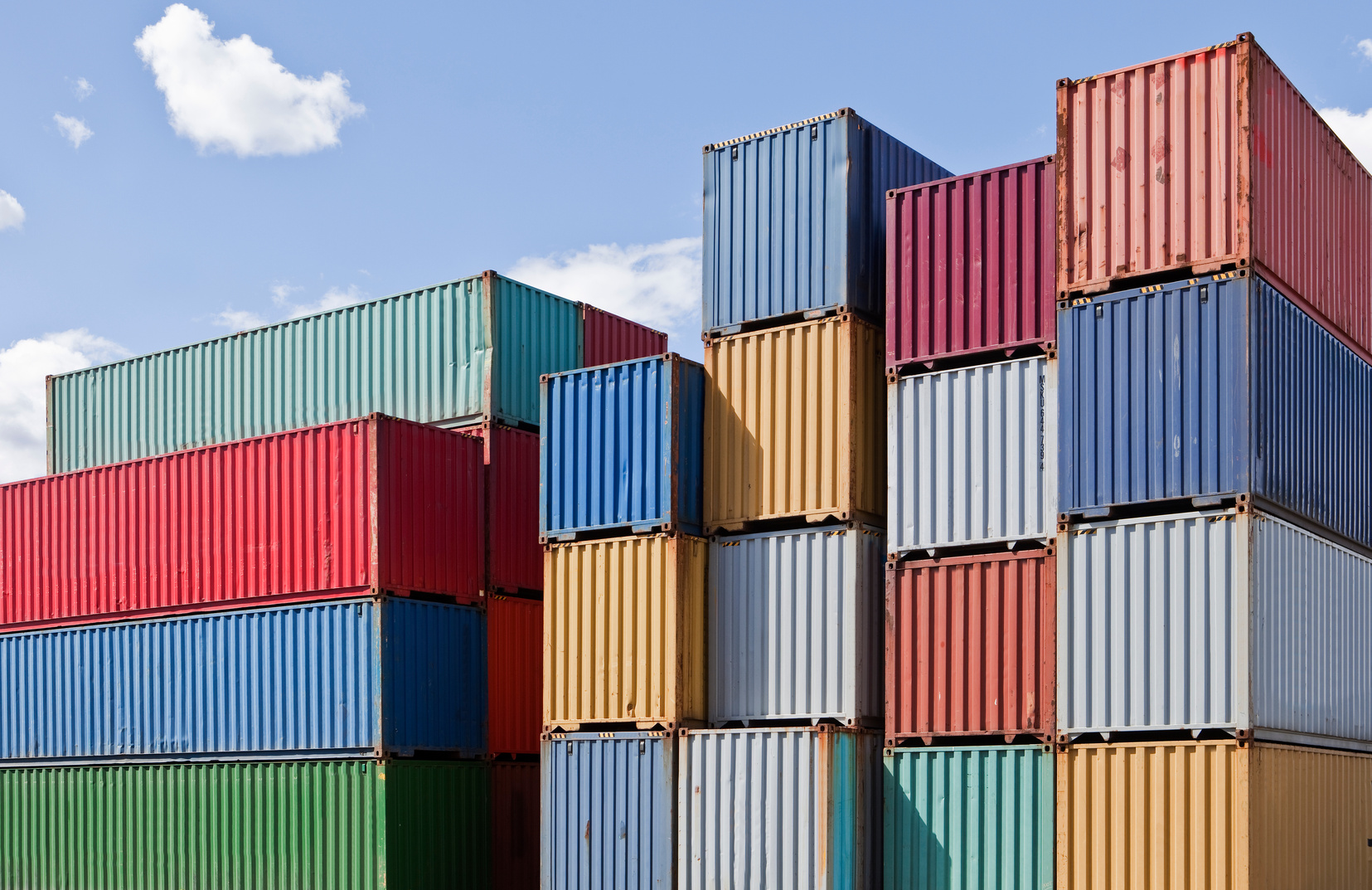
According to McKinsey's Global Supply Chain Leader Survey 2024, 60% of companies report good visibility into Tier 1 suppliers, yet only 30% say the same about deeper-tier suppliers, marking a two-year decline in visibility beyond Tier 1. Gartner findings indicate that fewer than 25% of organizations deploy tools for mapping suppliers at the sub-tier or site level, leaving the vast majority blind to operational dependencies buried deep in their supply base.
These blind spots are where risks accumulate. Most supply chain oversight ends at the first vendor on the contract. But the suppliers that those vendors rely on are often responsible for the components, raw materials, or labor that make up the final product.
A Z2 analysis of the automotive sector found that over a 12-month period, more than 600 sub-tier supplier site incidents directly impacted the industry. These included fires, regulatory violations, labor strikes, and natural disasters. Notably, Tier 2 and Tier 3 incidents accounted for over 60% of all disruption events — underscoring a dangerous pattern: the deeper you go in the supply chain, the more invisible but frequent the disruptions become.
The next disruption to your supply chain likely won't come from a supplier you know. Factory fires in Southeast Asia. Water shortages in Taiwan. Labor disputes in Mexico. Political unrest in Africa. These may not be high-frequency Tier 1 problems, but they tend to cascade upward.
A single outage from a Tier 3 plating facility or rare earth processor can paralyze multiple product lines, ultimately derailing production for OEMs. When companies only monitor their direct vendors, they miss the domino effect triggered by sub-tier disruption — creating a false sense of security until the PO gets delayed, the factory shuts down, or compliance violations surface at the border.
This visibility gap doesn't just increase risk — it undermines strategy. Leaders should mandate mapping beyond Tier 1 suppliers for all critical components, receiving regular reports identifying where Tier 2 and Tier 3 exposures are most significant, especially in high-risk regions and for sole-sourced parts.
Z2 provides comprehensive visibility across all supplier tiers and global manufacturing sites, with prioritized real-time alerts enabling teams to focus on critical threats before they escalate.
Challenge 4
ESG Regulatory Risks
According to PwC's Global Investor Survey, 75% of investors consider how a company manages sustainability-related risks and opportunities when making investment decisions. Yet many supply chain leaders remain unprepared for rising ESG expectations.
Gartner notes that fewer than 25% of organizations use tools that map suppliers at the site or sub-tier level, leaving the majority blind to the operational and compliance risks buried deep in their network. When suppliers lack basic ESG safeguards — like forced labor policies, environmental controls, or valid documentation — they expose companies to legal, financial, and reputational fallout.
In the EU, ESG regulations like CSDDD and the Battery Regulation now carry serious penalties. In the U.S., pressure is coming from stakeholders, customers, and major buyers demanding supplier-level transparency, with executives increasingly accountable for ESG-related supply chain failures.
European Union
- CSDDD (Corporate Sustainability Due Diligence Directive)
- EU Battery Regulation
- EU Deforestation Regulation
- CSRD (Corporate Sustainability Reporting Directive)
United States
- UFLPA (Uyghur Forced Labor Prevention Act)
- SEC Climate Disclosure Rules
- Supply chain transparency requirements from major buyers
Global
- Canada's Fighting Against Forced Labour Act
- Germany's Supply Chain Due Diligence Act (LkSG)
- UK Modern Slavery Act


Despite growing regulatory demands and investor pressure, many companies struggle to gain meaningful visibility into their suppliers' ESG practices — especially beyond Tier 1. Without reliable data on supplier labor conditions, environmental impact, and governance policies, organizations face blind spots that expose them to significant risks.
Non-compliant suppliers can trigger legal penalties, costly recalls, and severe reputational damage. Failure to meet EU ESG regulations like the CSDDD can lead to hefty fines and restrictions on market access. In the U.S., major buyers increasingly require proof of ESG compliance as a condition for contracts.
ESG should be treated as a fundamental supply chain risk embedded into procurement and product development strategies — not as a checklist, but as a core element of supply chain and design planning.
Z2 enables supply chain leaders to monitor supplier compliance and ESG risk from a legal and reputational standpoint, providing consolidated insights and grading that reveal where critical documentation and controls are missing or insufficient.
Challenge 5
Sanctions & Trade Compliance
Geopolitical issues today go far beyond just tariffs. In 2025, the U.S. Bureau of Industry and Security (BIS) expanded its Entity List to include dozens of additional Chinese semiconductor, battery, and mining firms — many tied to rare earths and critical minerals — intensifying pressure on already fragile sourcing strategies.
At the same time, the U.S. is ramping up enforcement of its "50% rule," which bans goods if more than half of their value originates from blacklisted countries. This rule now applies to Chinese critical minerals, though its enforcement remains murky, leaving many manufacturers unaware they're at risk until goods are stopped at the border.
Sanctions are also widening: the U.S. currently blacklists over 15,000 entities, including major copper producers like Zijin Mining Co. Other governments are following suit — Canada's Forced Labor Act, Germany's Supply Chain Due Diligence Act, and the EU's new deforestation regulation are pushing scrutiny deeper into the supply chain.
Critically, Z2's analysis shows that red flags — such as media scrutiny, geopolitical exposure, or prior compliance concerns — were often visible long before official restrictions were announced and implemented.
One sanction or export restriction can invalidate entire contracts, stop goods at customs, or force sourcing teams to scramble for last-minute alternatives. For design engineers, it may mean removing or requalifying components, sometimes after the product is already on the line.
Ties to sanctioned suppliers can create legal exposure, erode investor trust, and trigger PR blowback. In some industries, this isn't just about losing a supplier — it's about losing access to entire markets. Trade compliance is no longer a legal silo; it's a strategic function with financial, operational, and reputational implications.
Leaders should prioritize gaining clear visibility and strategic understanding of supplier risk exposure by geography, industry, and political context. Trade compliance must be embedded into supplier evaluation and onboarding processes, and cross-functional teams — compliance, procurement, and product development — must be equipped with real-time insights to detect and respond quickly to emerging risks.
When Zijin Mining Group Co., Ltd. was sanctioned under the UFLPA in January 2025, Z2 users had received alerts more than 200 days earlier through the sanctions watchlist and advanced risk analysis, enabling companies to assess exposure and find alternative suppliers well before enforcement.
Early Warning
Z2 users received alerts about Zijin Mining Group more than 200 days before the company was sanctioned under the UFLPA in January 2025 — enabling procurement teams to assess exposure and identify alternative suppliers well before enforcement.
Summary
Acting Before Risks Become Crises
Supply chain disruptions no longer stem from a single weak link. Today, they strike from all directions, and they hit hardest in the places where a company's visibility is shallow.
These five risk areas reflect the blind spots that should be front and center in any modern risk management strategy:
- Tariffs and geopolitics
- Critical minerals and rare earth elements
- Sub-tier supplier blind spots
- ESG regulatory compliance
- Sanctions and trade compliance
This isn't just about managing risks and the possibility of supply chain disruptions. It's about anticipating them, mapping dependencies, and aligning strategy with reality. If your teams can't tell you where the next issue will emerge — or how fast they'll respond — you're not running a supply chain. You're riding one.