Regional Intelligence
Opportunities and Risks in a Booming Sector
Z2's Vietnam's Electronics Manufacturing Landscape Report
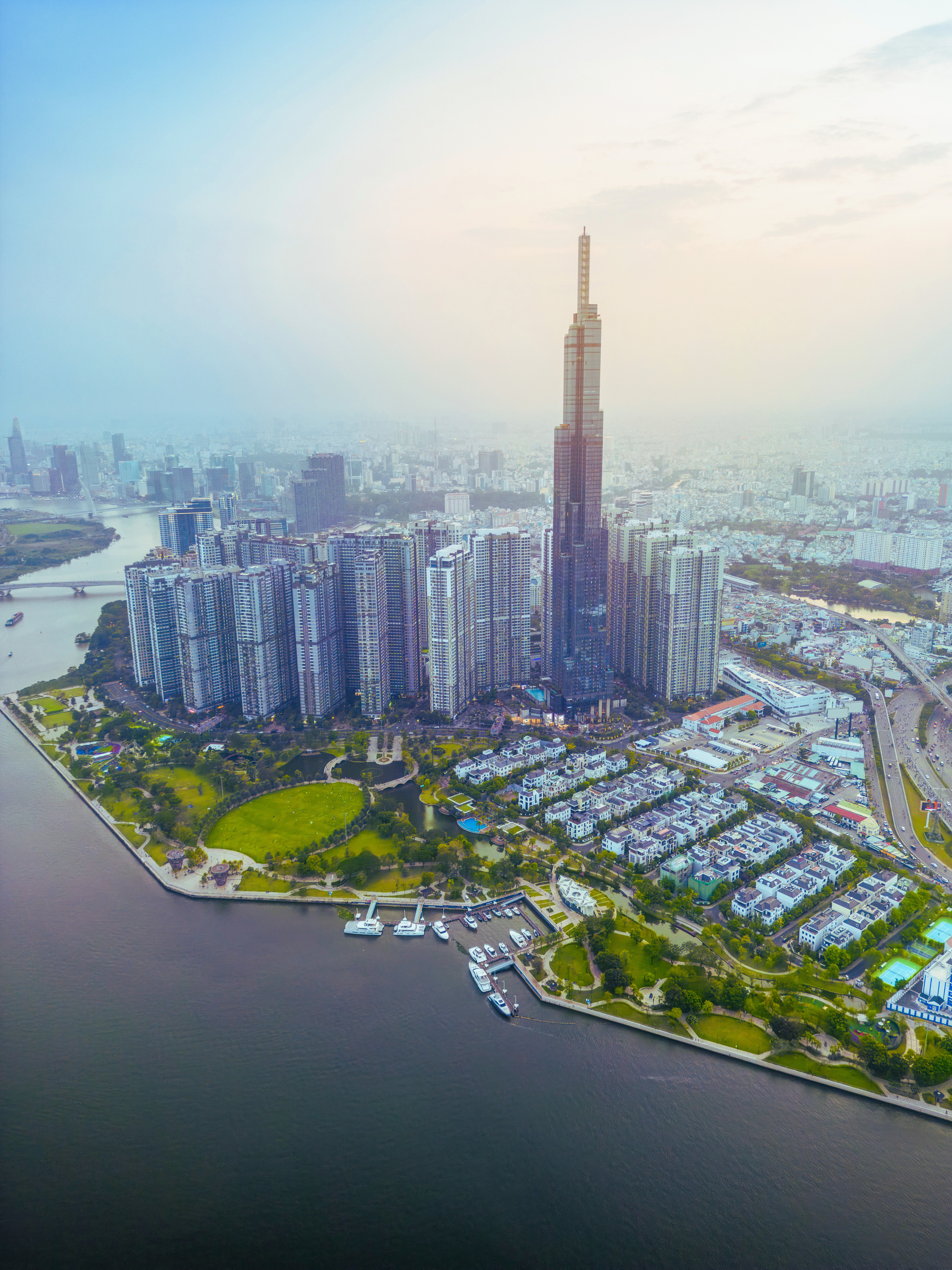
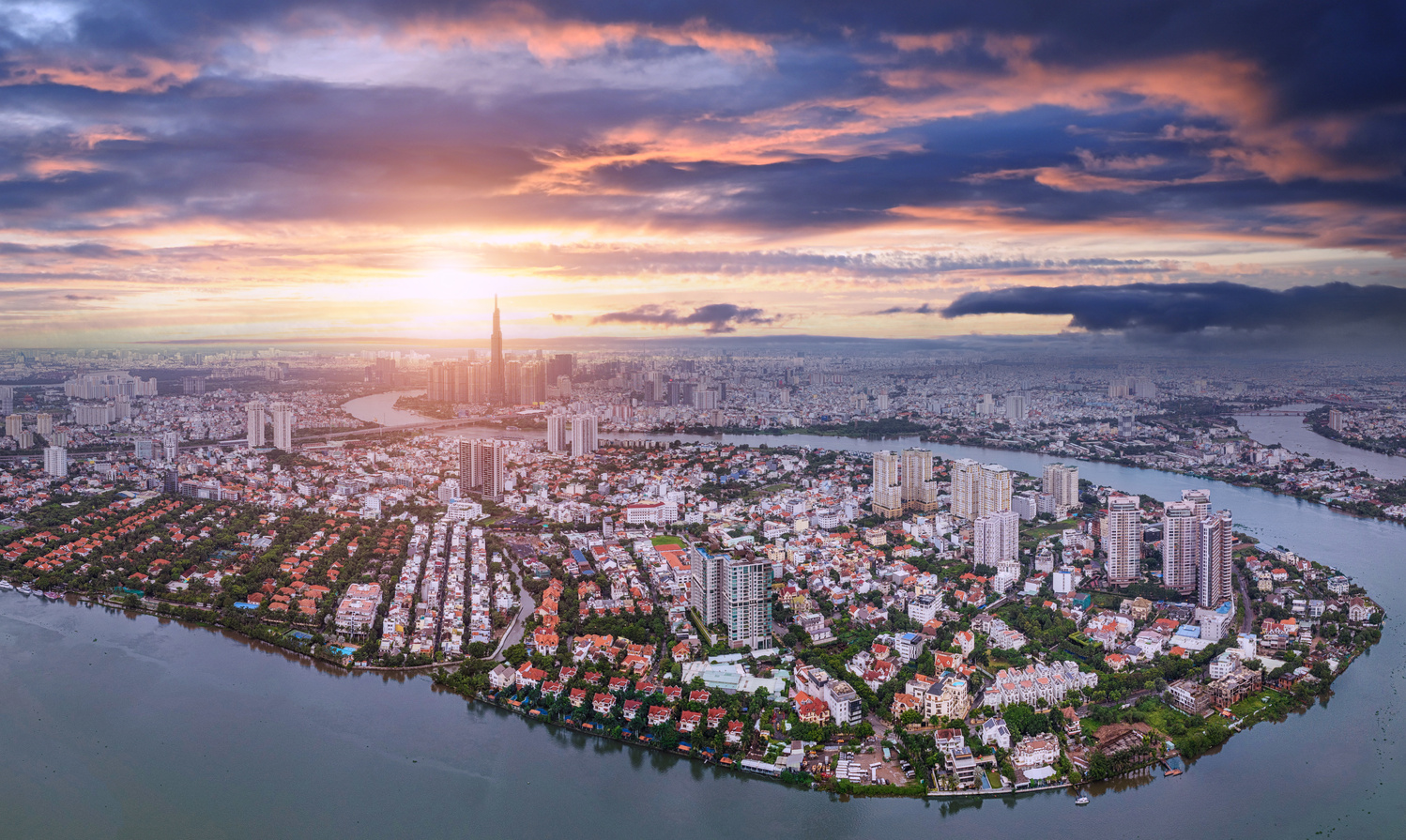
Vietnam is a densely populated country with an economy in the midst of substantial diversification and growth. Its largest cities, which include Ho Chi Minh City and Hanoi, support several key industrial sectors including electronics, textiles, and food processing. They also serve as major economic hubs for Southeast Asia more broadly. Regions like the Mekong Delta and the Central Highlands, meanwhile, offer the sprawling farmland and temperate climates critical to the nation's agricultural exports (Vietnam is among the top five global exporters for both rice and coffee).
Vietnam is a member of the Association of Southeast Asian Nations (ASEAN), a political and economic bloc that includes neighboring countries like Indonesia, Thailand, and Malaysia and has a combined gross domestic product (GDP) of around $3.6 trillion. Though its economy is not at the level of ASEAN's largest players—Indonesia's GDP is nearly $1.4 trillion—it does have the distinction of being one of the bloc's fastest-growing markets. Even during the pandemic years, Vietnam's growth rate hovered between four and five percent, and the nation is forecasted to expand by well over six percent annually over the next decade.
This report examines the multitude of promising opportunities Vietnam offers manufacturers and other businesses looking to grow their supply chains, secure new global partnerships, explore investment opportunities, or pursue China + 1 sourcing strategies. In addition, it examines some of the most prevalent risks unique to this developing coastal country.

Vietnam consists of 58 provinces and five large municipalities—Ho Chi Minh City, Hanoi, Hai Phong, Da Nang, and Can Tho—that are controlled by the central government and possess legal status equal to those of their provincial counterparts. In 2023, the country's population surpassed 100 million for the first time, making it the 16th most populous nation in the world and third-most in Southeast Asia.
Ho Chi Minh City serves as an industrial fulcrum for Vietnam, with a population that has nearly doubled over the past two decades and an economy that contributes nearly 15% of the entire national GDP. The city is propelled by thriving industries that include textiles, electronics, food processing, and pharmaceuticals, and is making meaningful strides in the automotive, biotechnology, and information technology sectors.
In 2023, Vietnam's total GDP was around $430 billion, an increase of five percent from the previous year. Vietnam will enjoy a number of key advantages in the coming years, including a manufacturing infrastructure well-positioned to capitalize on the growing trend of 'China + 1' sourcing strategies; robust foreign direct investment (FDI); and a workforce gradually becoming more skilled and educated. The nation is projected to grow by at least six percent annually through the remainder of the decade.
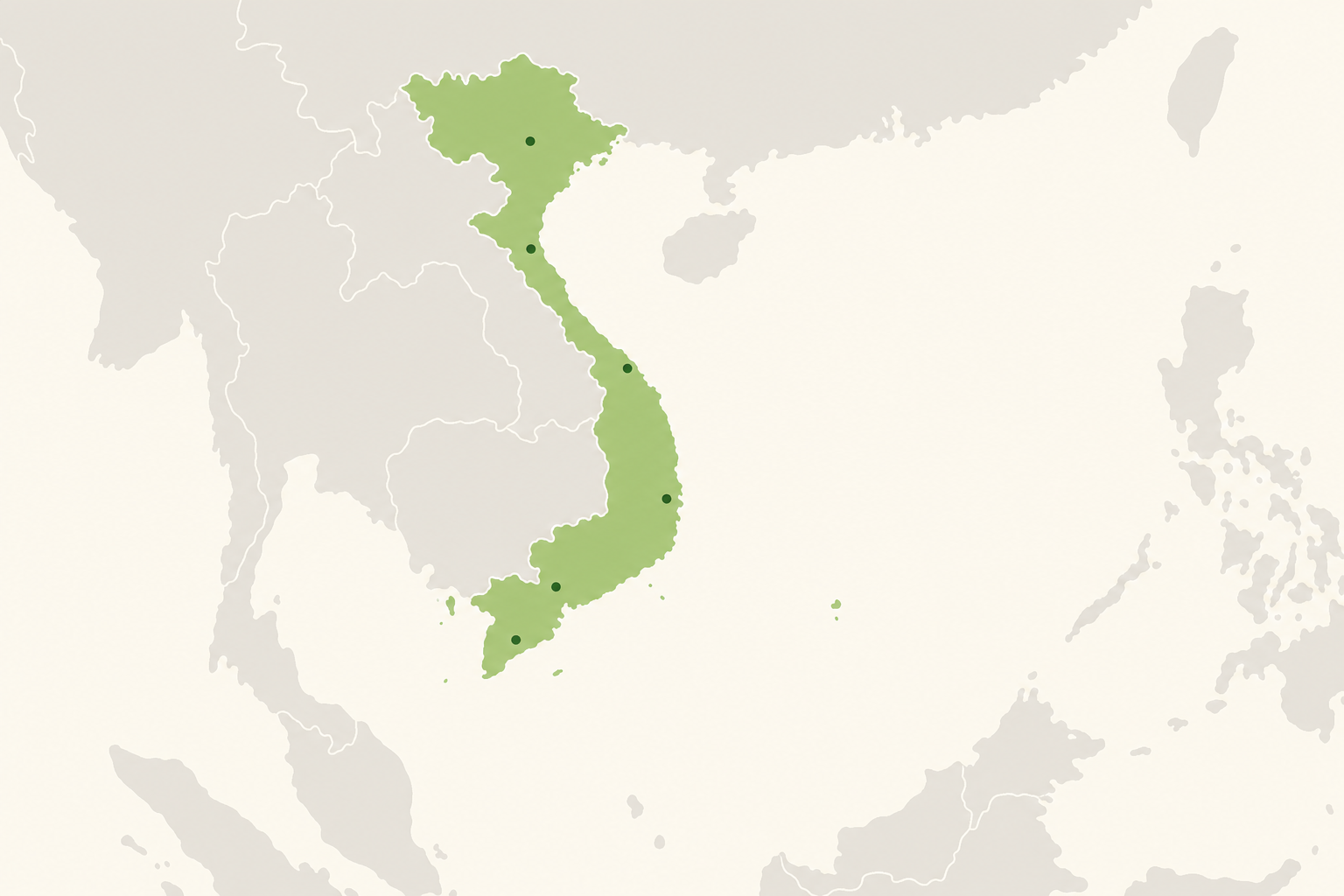
In addition to the country's five centrally-controlled municipalities, Vietnam features several other major metropolises—including Thu Duc City and Hai Duong—that are at the leading edge of the country's technological growth. These cities are responsible for much of the nation's electronics and automotive manufacturing, as well as its growing profile in the global semiconductor ecosystem.
The nation's largest city and an increasingly attractive destination for young Vietnamese, its GDP of $60 billion is driven by electronics, automotive manufacturing, and information technology. The city's celebrated Saigon Hi Tech Park offers strong financial benefits for investors, including generous tax breaks and exemptions from land lease fees.
Vietnam's second-largest urban center with a population of over eight million, Hanoi is the focal point of the nation's Northern Key Economic Region (NKER) and a driving force for its electronics manufacturing, finance, and food processing sectors.
Founded in December 2020, Thu Duc was created with the vision of growing into a financial and technological hotbed for Ho Chi Minh City. The local government is developing a large science and technology park with financial incentives comparable to those found in the nearby Saigon Hi Tech Park.
Strategically positioned between Hanoi and Hai Phong and connected to the two larger cities by the Hanoi-Haiphong railway. The province is experiencing significant foreign investment and industrial growth, with global corporations like Hyundai and Deli Group breaking ground on large manufacturing facilities there in recent years.
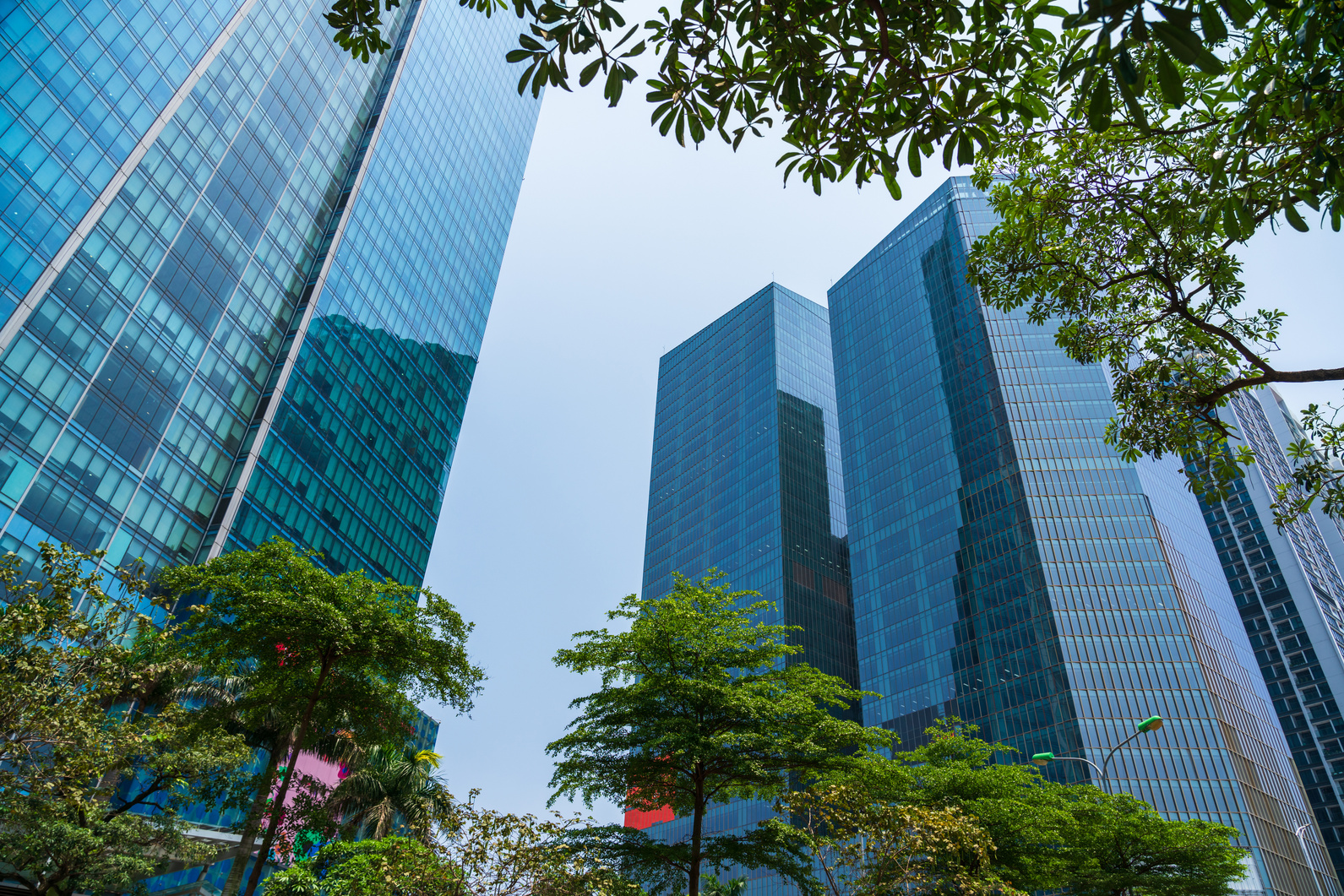
Vietnam's impressive trajectory over the past quarter-century—a period which saw its national GDP swell over tenfold—has been bolstered by an extensive network of industrial parks (IPs) spread throughout the country. There are currently over 400 IPs that are fully operational, as well as more than a hundred under construction nationwide. These parks function as galvanizing forces for Vietnam's burgeoning economy, stimulating progress in key emerging industries like biotechnology, telecommunications, and semiconductor manufacturing while also drawing in the levels of foreign direct investment (FDI) instrumental to further expansion.
| Industrial Park | Location / Region | Key Sectors |
|---|---|---|
| Saigon Hi-Tech Park | Ho Chi Minh, Southern | Electronics, Biotechnology, IT Services |
| Hoa Lac Hi-Tech Park | Hanoi, Northern | IT, Biotechnology, New Materials |
| Dinh Vu-Cat Hai Economic Zone | Hai Phong, Northern | Petrochemicals, Manufacturing, Shipbuilding |
| Da Nang Hi-Tech Park | Da Nang, Central | IT, High-tech Manufacturing, Biotechnology |
| Vietnam-Singapore Industrial Park (VSIP) | Thuan An, Southern | Electronics, Automotive, Logistics |
| Amata Bien Hoa Industrial Park | Bien Hoa, Southern | Electronics, Chemicals, Light Manufacturing |
| Yen Phong Industrial Park | Yen Phong District, Northern | Electronics, Precision Engineering, Semiconductors |
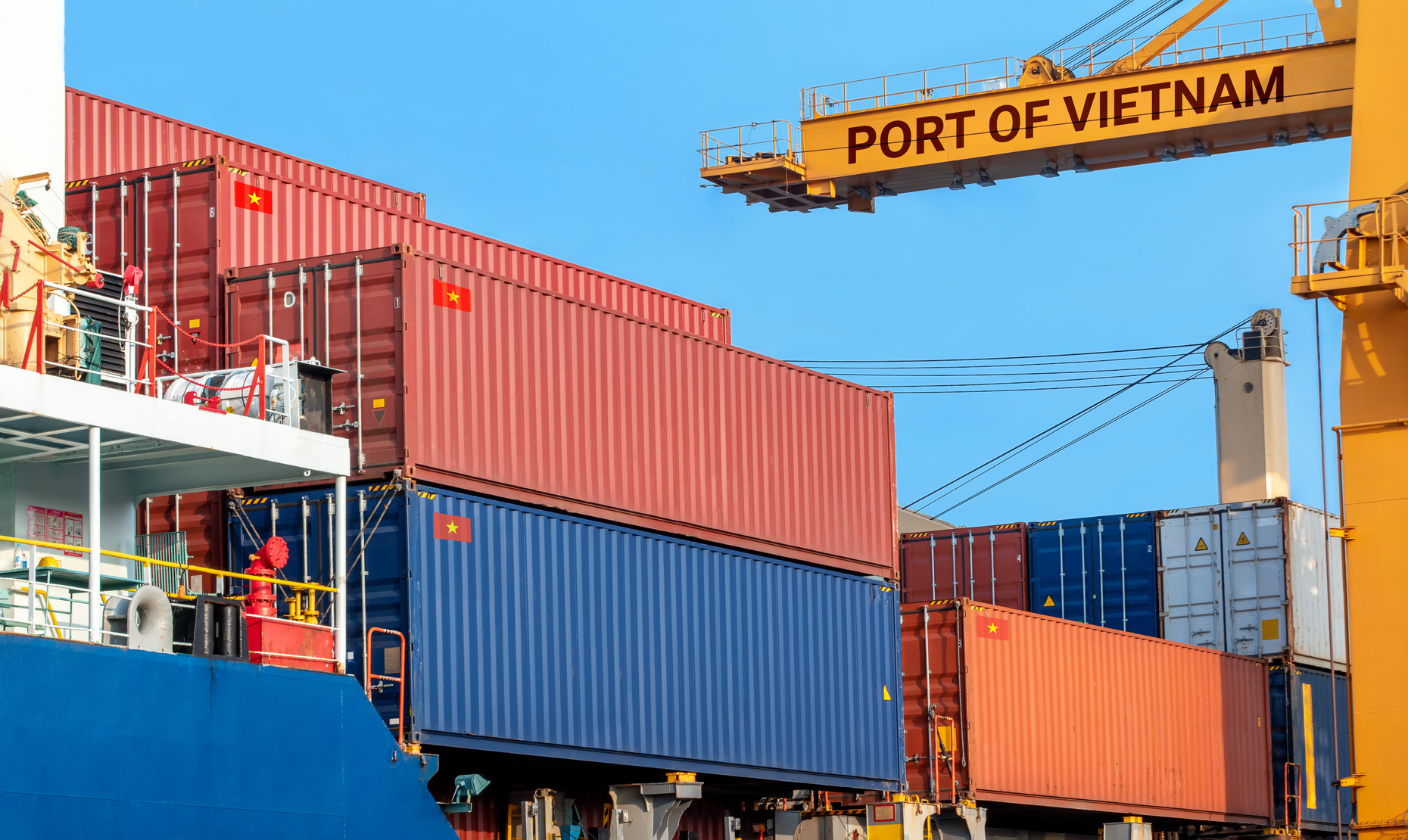
Vietnam's diversifying economy relies on a system of transportation hubs strategically located throughout the coastal nation. The country's 58 provinces and five large municipalities support over 30 airports and at least 300 seaports. Due to Vietnam's vast coastline—3,260 kilometers in total, stretching across the South China Sea, the Gulf of Thailand, and the Gulf of Tonkin—the nation's chief seaports are among the largest and busiest in all of Southeast Asia. Together, the nation's airports and seaports serve as vital infrastructure for a thriving export industry with annual revenue nearing $400 billion.
| Port | TEU Throughput | Max DWT | Notes |
|---|---|---|---|
| Port of Ho Chi Minh City (Saigon Port) | ~8M TEU/yr | 38,000 DWT | Vietnam's largest port; 21 berths; top 25 globally by volume |
| Tan Cang - Cai Mep International Terminal (TCIT) | 2M+ TEU/yr | 160,000 DWT | 23 berths; 10 ship-to-shore cranes; 22 eRTGs |
| Cai Mep-Thi Vai Port | — | 214,000 DWT | Deep-water terminal in Ba Ria-Vung Tau |
| Lach Huyen Port (Hai Phong) | — | 132,000 DWT | Northern Vietnam's primary deep-water gateway |
| Quang Ninh Port | — | 80,000 DWT | Near Ha Long Bay; coal and bulk cargo focus |
| Dung Quat Port | — | 200,000 DWT | Central Vietnam; serves petrochemical SEZ |
| Da Nang Port | — | 50,000 DWT | Key central Vietnam gateway; serves ASEAN corridor |
With 41 million passengers in 2023, Tan Son Nhat International Airport is the busiest in Vietnam, and the fourth-busiest in all of Southeast Asia. In 2023, nearly 770,000 tons of goods were ferried through its three chief cargo terminals.
Noi Bai International Airport serves the nation's capital, Hanoi. Passenger traffic has climbed dramatically and Noi Bai now serves more than 80,000 travelers every day (nearly 30 million a year). It is also a key freight hub for Vietnam, handling around 700,000 tons of cargo annually.
While it has yet to catch up to the largest economies in the ASEAN bloc, Vietnam is working tirelessly to build the commercial infrastructure—including both modernized transportation hubs and incentive-laden industrial parks—crucial to attracting multinational corporations and cultivating domestic ventures.
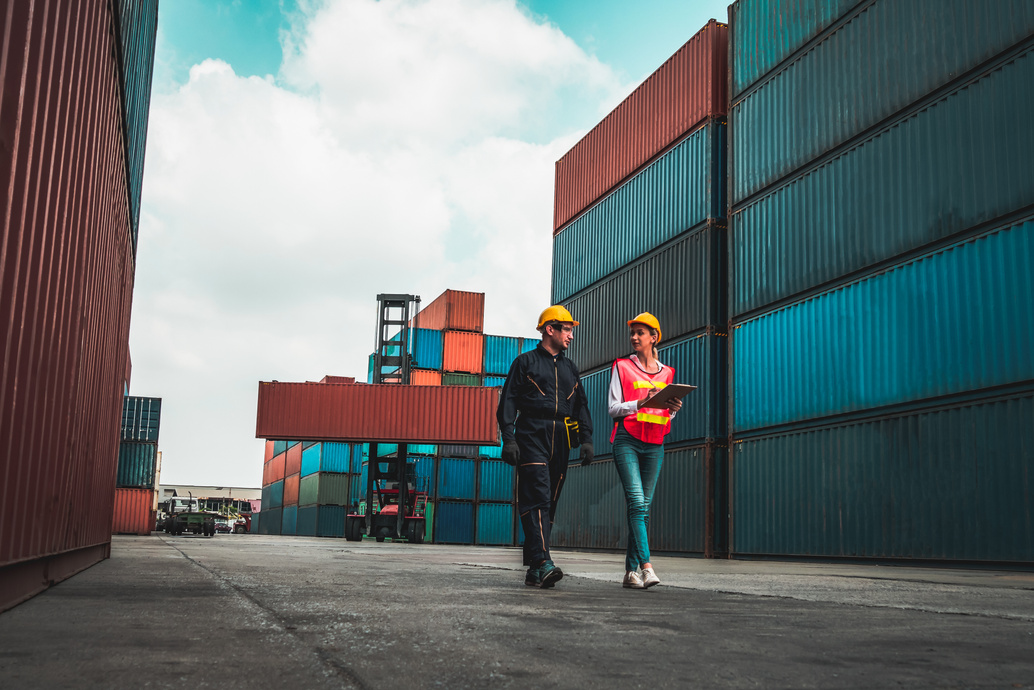
Vietnam's economic expansion over the past few decades has been driven by a growing industrial profile with ties to large global sectors. The country is an increasingly vital player in electronics manufacturing, including both interconnect, passive, and electromechanical (IP&E) and electronics manufacturing services (EMS). In addition, Vietnam has fostered a robust domestic automotive industry now worth nearly $7 billion. Telecommunications represents a critical growth sector for the country.
Z2 analyzed approximately 500 factories, assembly sites, and other manufacturing facilities in Vietnam to gain a comprehensive understanding of the sectors that loom largest in the country.
| Industry Category | Key Products |
|---|---|
| IP&E | Capacitors, Inductors, Cables and Wires, Ferrite Beads |
| EMS | Printed Circuit Board Assembly (PCBA), Injection Molding, System Assembly |
| Communications & Networking | Connectors, Optical Modules, Filters |
| Automotive Subsystems | Electrical Parts, Interior Components, Powertrain Parts |
| Power & Electrical | Batteries, AC Power Adapters, Sensor Modules |
| Advanced Materials | Steel and Iron, Solder Products, Die Attach Adhesive |
| Chemicals | Chemical Compounds, Diversified Chemicals, Encapsulated Resins |
| Audio & Video | Microphones, Speakers, Audio and Visual Appliances |
| Motion & Control | Batteries, Motors, Power Supplies |
| Semiconductors | RF, Microwave & Wireless Connectivity, Optoelectronics, IC Memory |
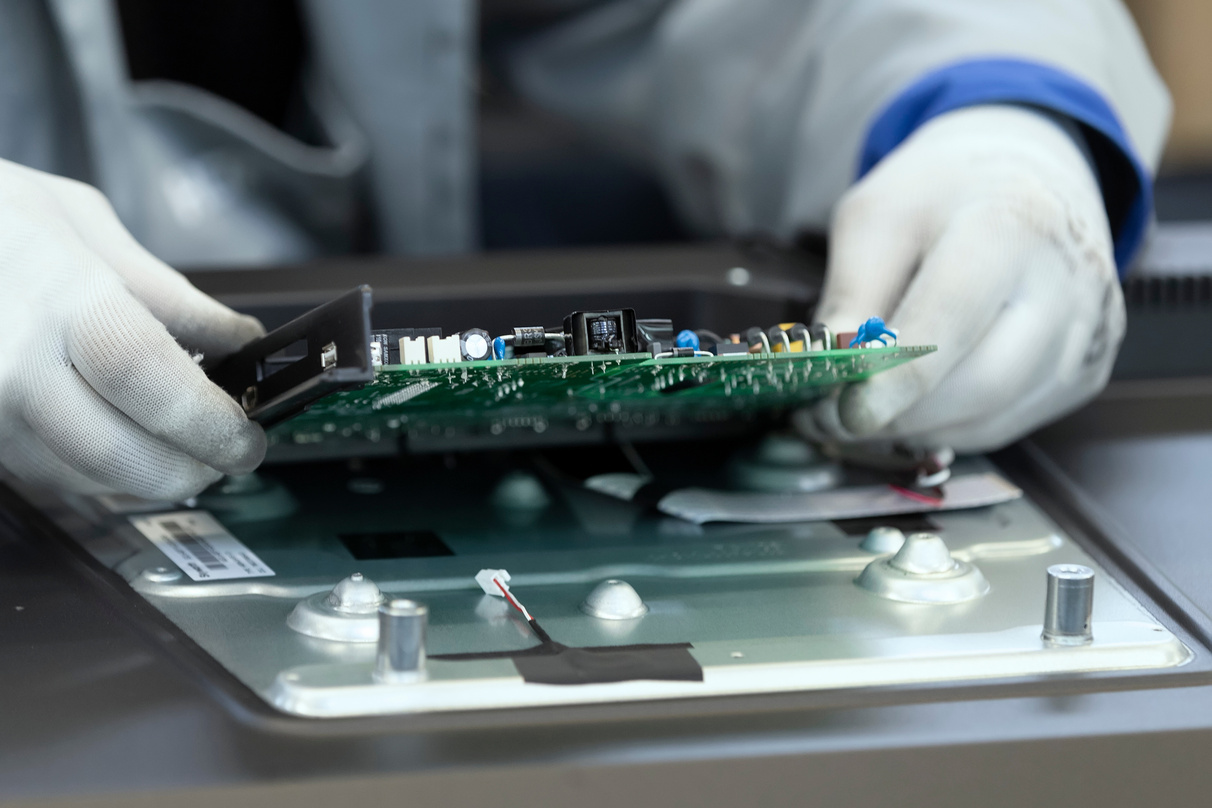
One of the chief reasons for Vietnam's accelerated economic development this century has been the rise of its electronics industry. Today, electronics manufacturing accounts for nearly one-fifth of the country's total manufacturing output. The sector captured $115 billion in revenue in 2023, or more than a quarter of the country's GDP.
Vietnam's emergence in the global electronics supply chain has been propelled by multiple factors, including Samsung's pivotal decision in 2008 to build a smartphone manufacturing plant in Bac Ninh. Over the following decade, the South Korean consumer electronics giant would invest another $17 billion in Vietnam, supercharging its export industry and transforming it into one of the largest mobile phone manufacturers in the world.
Vietnam also hosts a significant number of factories specializing in electronic manufacturing services (EMS) and the production of interconnect, passive, and electromechanical (IP&E) components. Large municipalities like Hanoi and Ho Chi Minh City are home to EMS factories run by industry heavyweights like Foxconn, Amphenol, and Jabil.
Vietnam's IP&E landscape includes at least 200 factories spread all over the country's various regions, with especially dense concentrations in provinces like Bac Ninh, Dong Nai, and Binh Duong. Key industry players like Panasonic, Luxshare Precision, Molex, and TE Connectivity have all invested in facilities in Vietnam, drawn by modest wages, ample government incentives, and a geographical location with direct access to major international shipping routes.
| Company | Revenue | Factories | Locations | Products |
|---|---|---|---|---|
| Sumitomo Electric Industries | $29B | 8 | Hanoi, Hai Duong, Bac Ninh, Ha Nam, Dong Nai, Hung Yen | Cables/Wires, Optical Modules |
| Panasonic | $54B | 2 | Hanoi, Ho Chi Minh City | Capacitors, Connectors, Inductors, Resistors |
| Luxshare Precision | $32B | 2 | Bac Giang | Cables/Wires, Connectors |
| Murata Manufacturing | $11.4B | 2 | Dong Nai, Da Nang | Connectors, Ferrite Beads, Resistors |
| Kyocera Corporation | $14B | 1 | Hung Yen | Connectors, Capacitors, Oscillators |
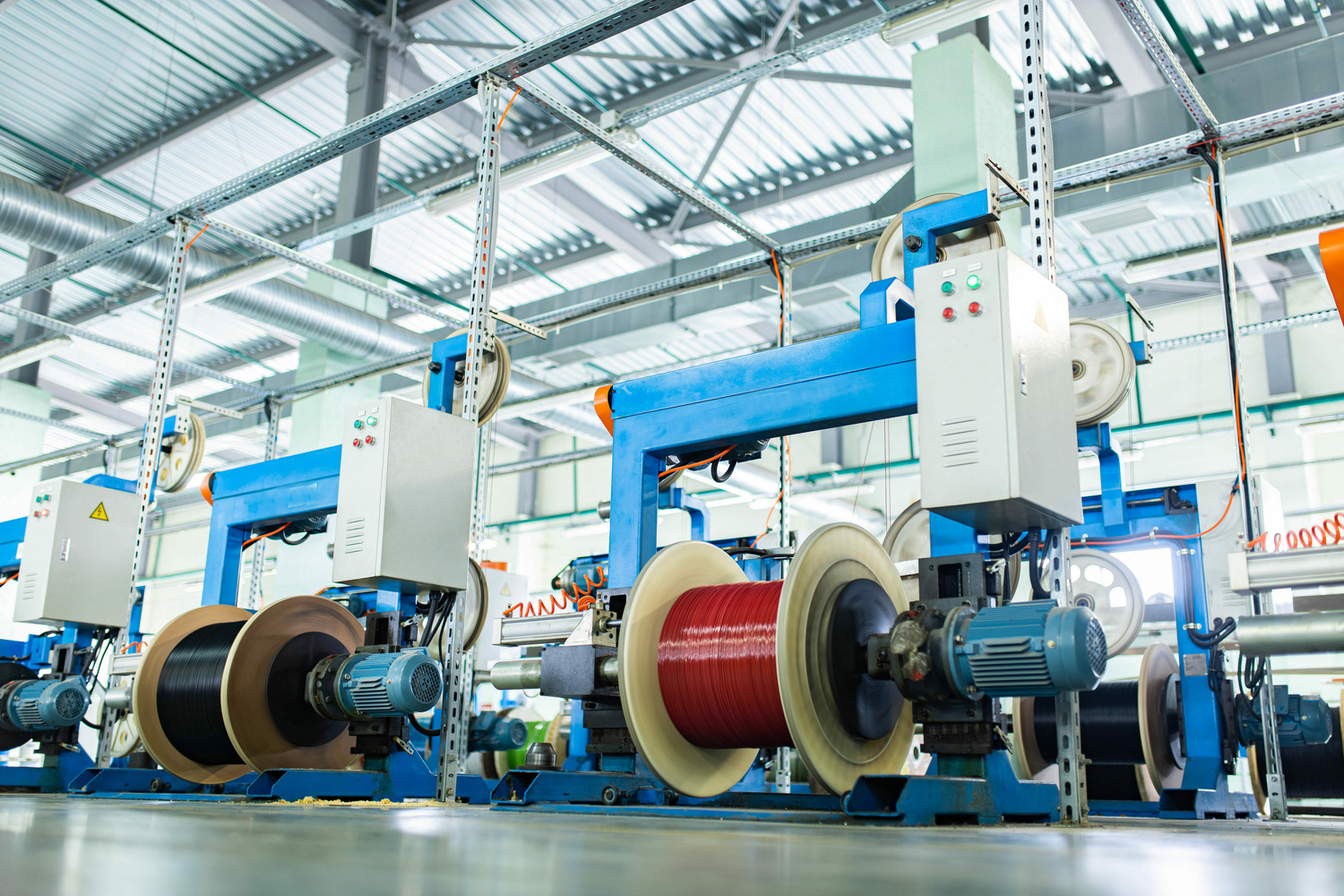
While Vietnam has not historically had a major footprint in the global semiconductor industry, the country is making substantive headway in entering the $600 billion sector. Leading chip manufacturers like Intel, onsemi, Renesas Electronics, and SK Hynix all operate IC assembly sites in Ho Chi Minh City and its surrounding environs, and several chip design firms have established research and development facilities in the country. Recently, the Vietnamese government has been in discussions with leading foundries about the possibility of collaborating to build the country's first semiconductor fabrication facility, or fab.
Though the country's imprint on the global semiconductor supply chain remains nascent and decidedly niche, many of the world's premier chipmakers are beginning to see distinctive opportunities in Vietnam. The ASEAN member state has a relatively young population, with an average age of 33; an appreciable contingent of highly-skilled engineers capable of handling a larger semiconductor ecosystem; and average salaries that are significantly lower than neighboring populations in Malaysia and Singapore.
When German chipmaker Infineon Technologies AG announced its expansion in Vietnam in 2023, the company's Asia Pacific president and managing director, C.S. Chua, said: 'With a burgeoning and youthful population of nearly 100 million, Vietnam has swiftly transformed into a coveted destination for multinational corporations seeking to tap into a pool of exceptional technical talent.'
| Product Line | Key Manufacturers in Vietnam |
|---|---|
| Rectifiers | onsemi, Micro Commercial Components (MCC) |
| Microprocessors | Intel |
| DRAM | Hana Micron (for SK Hynix) |
| MOSFETs | onsemi |
| Zener Diodes | onsemi, MCC |
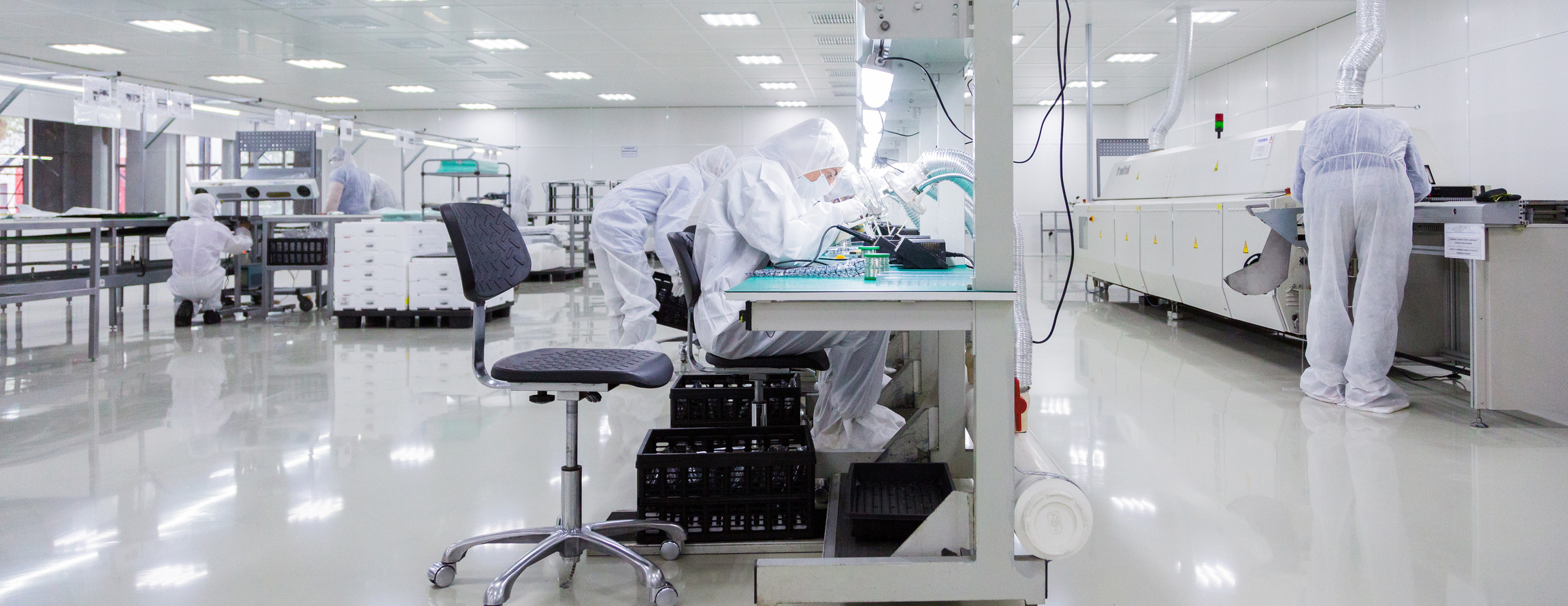
While not nearly as large as electronics manufacturing, Vietnam's automotive industry is another notable sector in the country's recent economic expansion. The automotive market was worth nearly $7 billion in 2024, and Vietnam now produces nearly 350,000 vehicles annually. The country is home to manufacturing facilities run by some of the largest carmakers in the world, including Toyota and Honda, as well as growing domestic brands like VinFast.
In addition to brand-name carmakers, Vietnamese metropolises like Ho Chi Minh City and Bien Hoa support a large number of facilities that produce automotive subsystems and related devices. There are now over 400 manufacturers in the country that serve as tier-1 suppliers for major automakers.
Vietnam's flourishing high-tech manufacturing ecosystem presents an array of attractive entry points for international businesses seeking to diversify their supply chains, secure more competitive contracts, and access a large, ambitious workforce. Firms eager to capitalize on Vietnam's opportunities should carry out thorough due diligence practices and vet potential partners for any ESG issues.
| Company | Annual Revenue | Facilities | Locations | Type |
|---|---|---|---|---|
| Toyota Corporation | $310B | 1 | Vinh Phuc | OEM |
| Honda | $145B | 1 | Hung Yen | OEM |
| Fujikura | $5B | 4 | Binh Duong, Da Nang, Dong Nai | Electrical Parts |
| Misumi Group | $2.6B | 3 | Ho Chi Minh City | Interior & Custom Parts |
| VinFast | $1.2B | 2 | Hai Phong, Hanoi | OEM |
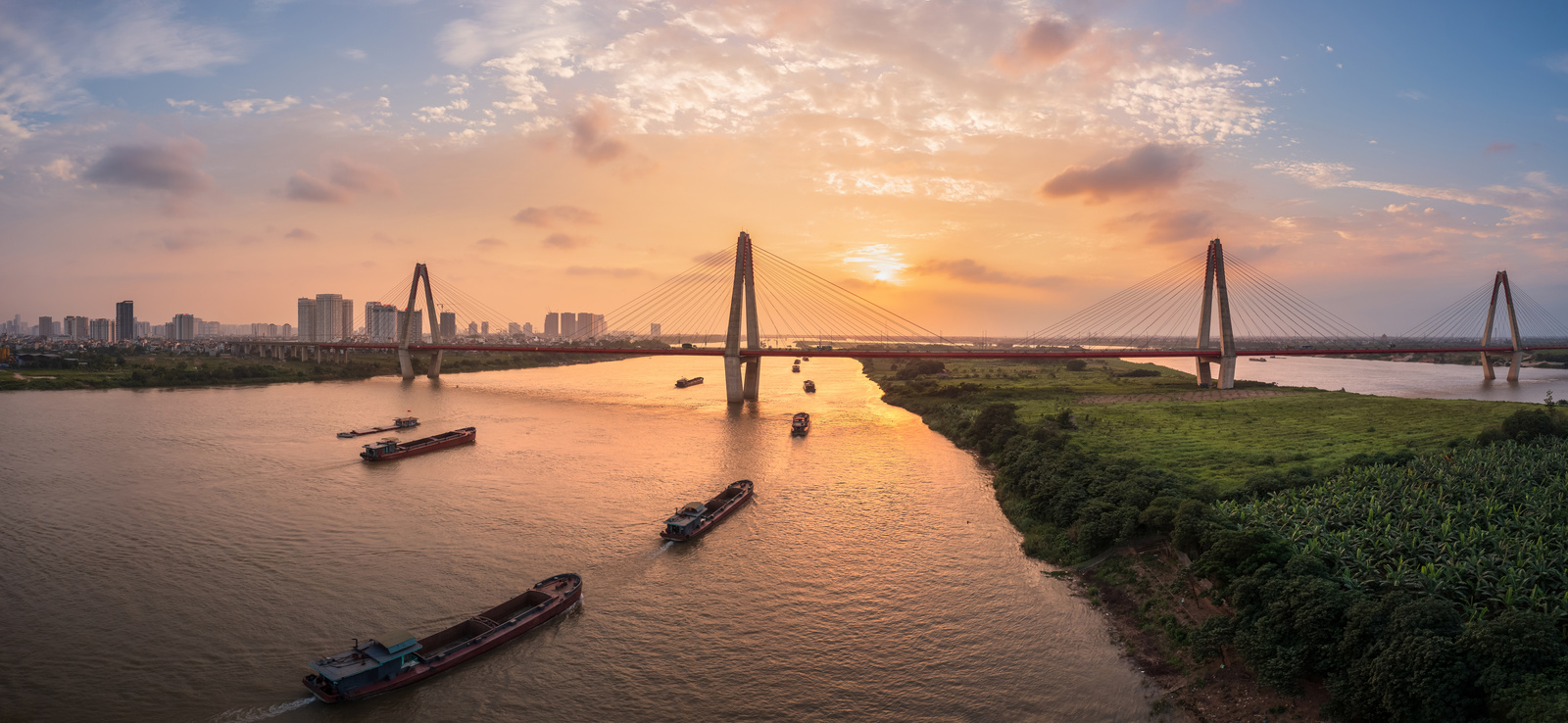
Vietnam's regulatory environment is shaped by the Ministry of Natural Resources and the Environment (MONRE), and the Vietnam Environment Administration (VEA), which operates underneath MONRE. These federal agencies are responsible for overseeing environmental issues like air pollution, water use, waste management, and greenhouse gas emissions.
Vietnam's regulatory agencies have at times struggled to keep up with the country's rapid industrialization over the past several decades, leading to significant negative impacts on the environment. The country is responsible for a disproportionate amount of water pollution relative to its size: despite a population of less than 100 million, it currently ranks fourth among all nations in metric tons of waste polluting the oceans.
In recent years, however, Vietnam has taken measures to strengthen its environmental regulations. In May 2021, the government passed the Revised Law on Environmental Protection. The law, which entered into force in January 2022, requires factory owners to utilize the best available technology to mitigate pollution and minimize adverse impacts on the surrounding environment. In addition, 'LEP 2020,' as it's known, imposes obligations on certain businesses to submit environmental impact assessment reports (EIARs), and establishes carbon pricing in the form of an emissions trading scheme (ETS) regulated by the federal government.

Among the four most important critical minerals to the semiconductor manufacturing process—silicon, gallium, germanium, and copper—Vietnam mines and processes only one, copper. The nation does, however, play a significant role in the extraction of many of the secondary and tertiary raw materials used in the production of semiconductors. These include: gold, nickel, lead, tin, cobalt, iron, zinc, manganese, and tungsten.
In addition, Vietnam has one of the largest rare earth reserves in the world, with around 22 million tons of rare earth minerals sitting under the country untapped. According to the U.S. Geological Survey, this is second only to China. While the country mined 4,300 tonnes of rare earth minerals in 2022, the government has set the ambitious goal of increasing production of rare earths to over two million tonnes by 2030.
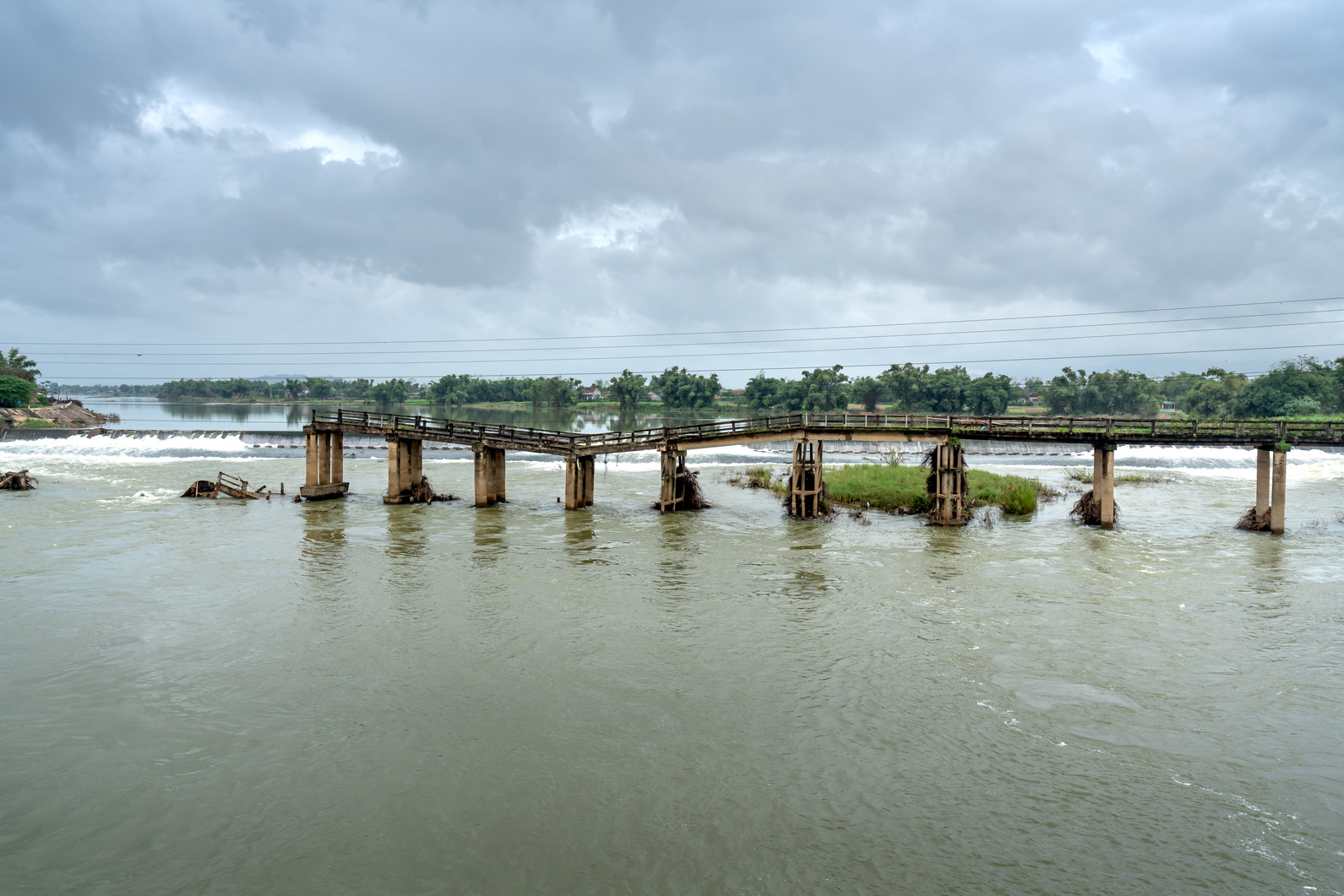
Though Vietnam's expansive industrialization over the past quarter-century has contributed to a stellar economic trajectory, the nation is not free from regional risks. Due to the country's coastal geography, abundance of river deltas, and tropical climate, Vietnam is highly susceptible to typhoons and flooding. During the rainy season—which typically runs from May through October—the most vulnerable regions face the prospect of major storms and destructive rainfall.
Vietnam has one of the highest flood risks of any country in the world. Regions like the Red River Delta, the Mekong River Delta, and the South Central and North Central Coasts are highly vulnerable to major flooding events that can damage local infrastructure, cripple transportation routes, and wreak havoc on the nation's agriculture.
Vietnam's rainy season can unleash major typhoons in the country's northern and central coastlines, including in the country's capital, Hanoi. The grave threat was most recently evidenced by Typhoon Yagi and the destruction it wrought in September 2024.
The swift industrialization of Vietnam over the past few decades has not been matched by commensurate growth in the rights, leverage, or bargaining power of its workers. Employees in Vietnam's vast manufacturing ecosystem often face poor working conditions, low incomes, lack of job security, and a paucity of legal protections. Because of the glaring absence of unionized labor in Vietnam, workers are often forced to carry out labor strikes, protests, and other direct confrontations with employers that lead to factory shutdowns and other supply chain disruptions.
Vietnam's strategic position in Southeast Asia and its growing prominence in global supply chains create moderate geopolitical risk exposure, particularly in the context of US-China trade tensions and regional maritime disputes in the South China Sea.
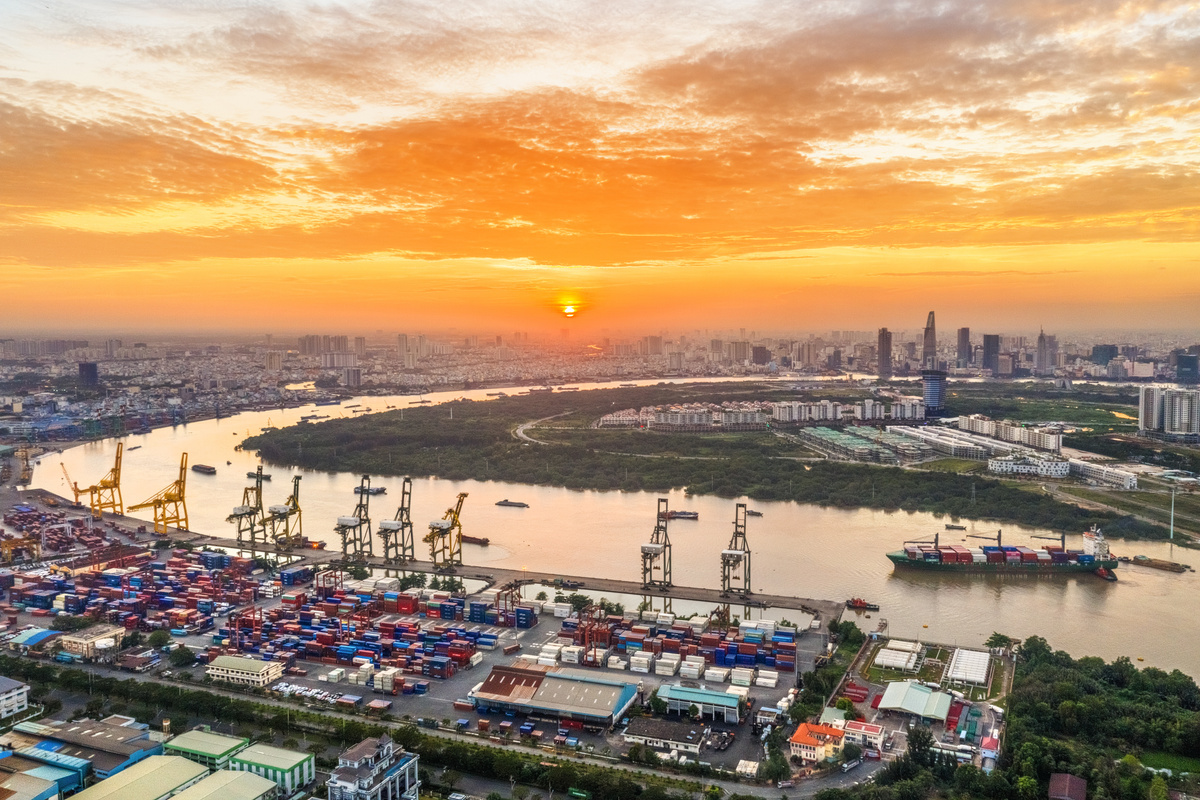
Vietnam has been one of the fastest-growing economies in the world since the turn of the century, trailing only China and a handful of smaller nations in total growth over that timespan. This ascension has been primarily driven by the country's transition from an agricultural economy to a global manufacturing hub. And Vietnam's growth is a long way from plateauing. The country is projected to experience annual growth north of six percent over the next decade, positioning it at or near the top of the ASEAN economic bloc. This rapid growth will be driven by rising foreign direct investment (FDI) and a strong manufacturing base with a workforce well-suited for de-risking and diversifying away from China.
While the factors supporting the case for Vietnam rising up the ranks of global economies are well-established, the nation will also have to clear some critical hurdles to achieve its full potential. These challenges include enhancing its financial transparency for investors, manufacturers, and other key stakeholders; demonstrating to wealthy nations like the U.S. that it's worthy of being officially classified as a market economy; and transforming its well-documented history of unethical labor practices. If Vietnam can make meaningful progress on these lingering questions and essential economic fronts, there's little reason to think it won't continue to make deeper, more lasting inroads in global supply chains.

Map your BOM to manufacturing sites across Vietnam and get real-time visibility into typhoon exposure, labor disruptions, and supplier concentration before they halt production.
Get a Demo